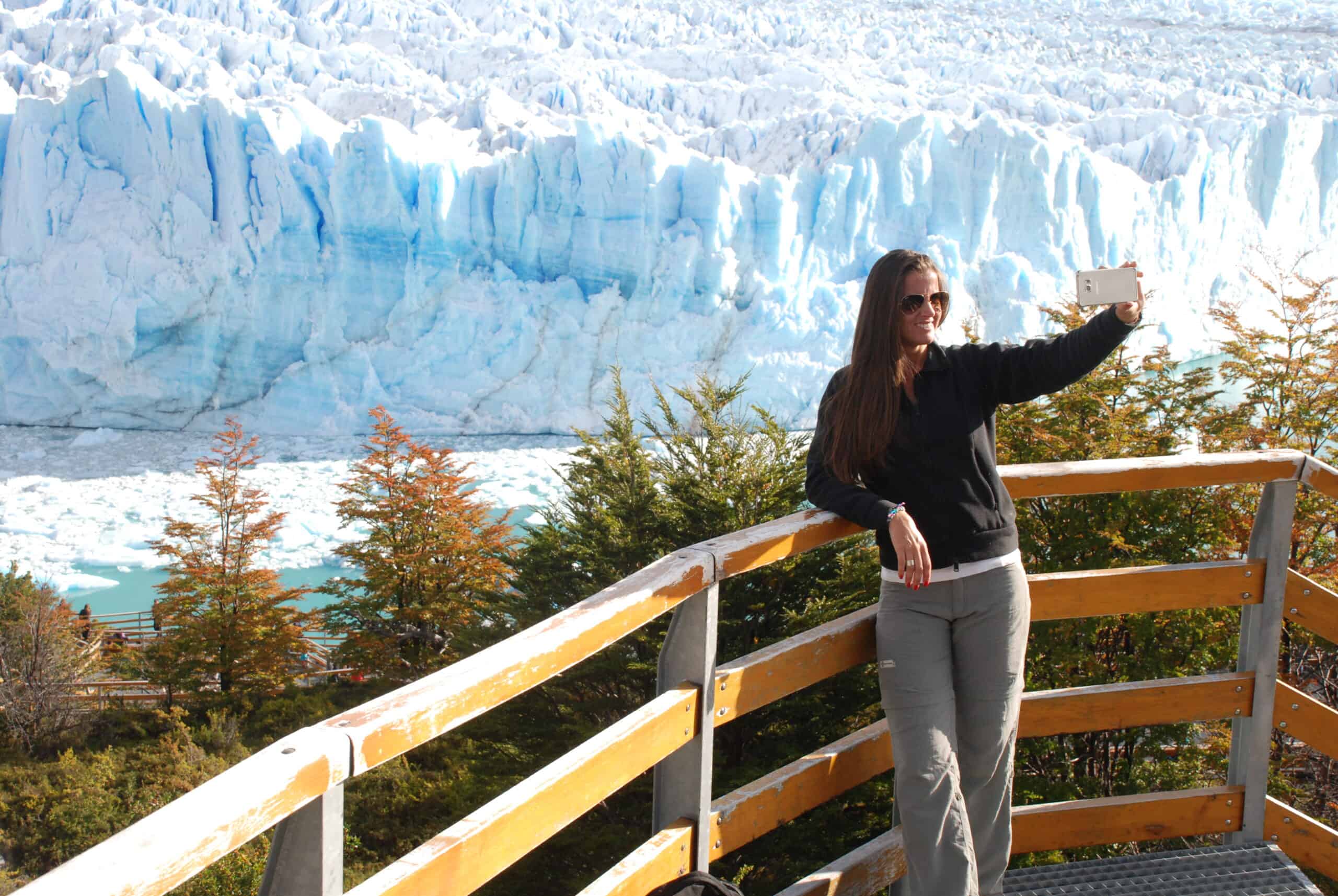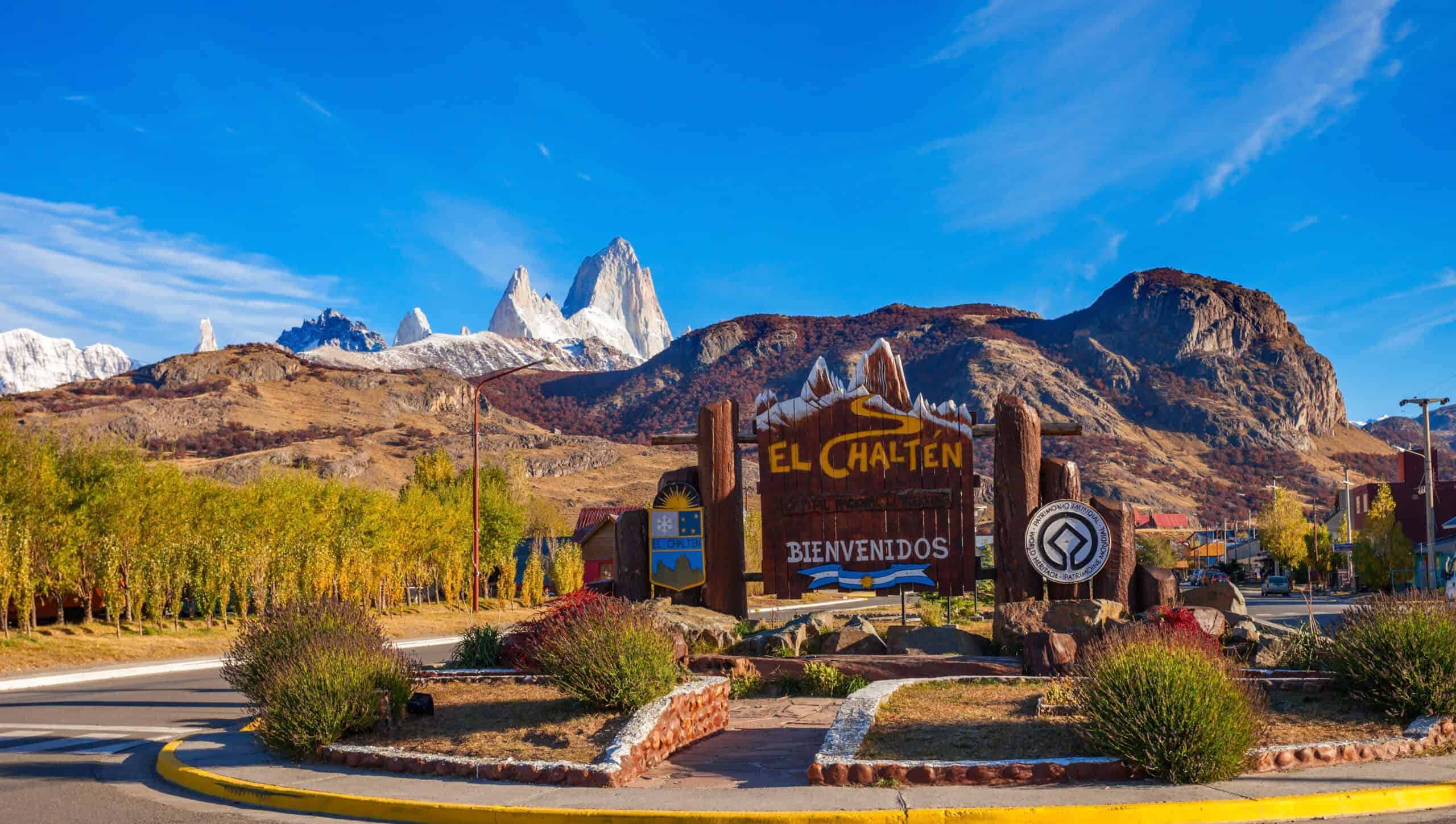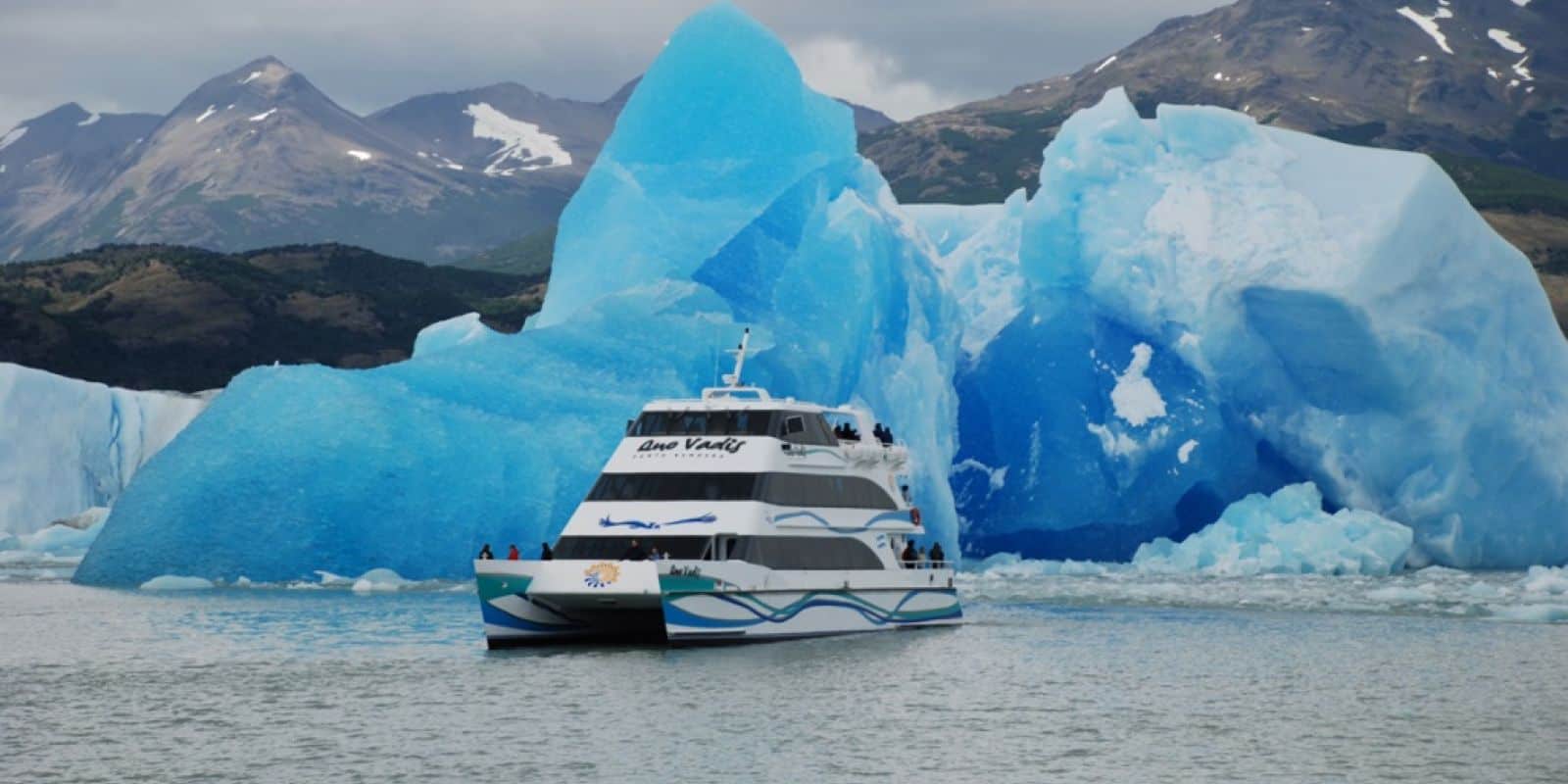
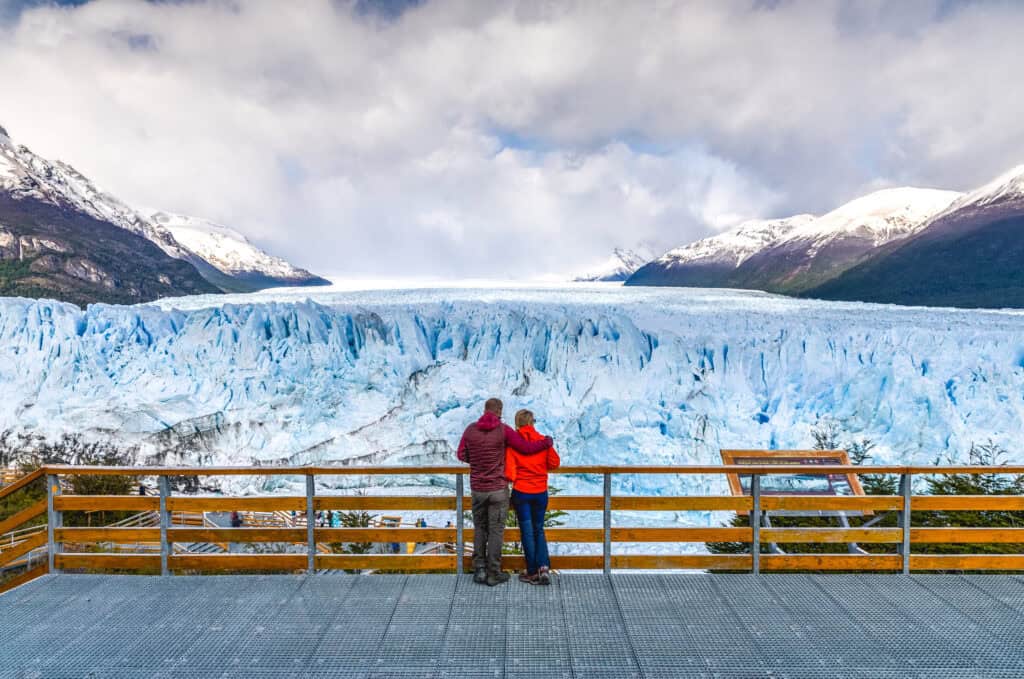
The 4 seasons of El Calafate
El Calafate sits in southern Patagonia, at latitude 50°S. That means its seasons are the opposite of the Northern Hemisphere's: summer runs from December to February and winter from June to August. Unlike other tourist destinations that "close" in winter, El Calafate welcomes visitors all year round — the glacier never takes a break. Whatever date you choose, you'll find excursions in El Calafate operating throughout the season.
Peak tourist activity. Up to 18 hours of daylight. Every excursion available. Prices at their annual high. Book weeks in advance.
The colors of the Patagonian fall (reds, oranges, yellows) turn the landscape cinematic. Fewer people, more affordable prices. March is one of the best months of the year.
Winter Patagonia is mystical. The glacier turns intensely blue, the park is nearly deserted, prices are the lowest of the year. Only the Minitrekking operates — Big Ice and some excursions are suspended.
The Patagonian steppe blooms. November is one of the best months: pleasant weather, every excursion available, prices still below the January peak. The wind can be fierce in September.
At Mundo Austral we have been coordinating excursions 12 months a year since 2000. If you ask us honestly which season is our favorite, most of the team says March and April: the summer heat is gone, the colors of the Patagonian fall are incredible, there are fewer people in the park and hotels aren't at their peak rates. January is spectacular but chaotic.
Month-by-month guide: weather, prices and availability
Here's the complete breakdown of every month so you can make the perfect decision for your trip.
⚫ Few crowds 🟡 Moderate 🔴 Very busy
El Calafate's weather: what nobody tells you
El Calafate's weather has a reputation for being unpredictable, and that's partly true. But there are patterns that repeat every year and help you plan better.
The Patagonian wind
The wind is the real protagonist of Patagonian weather. On the open steppe around El Calafate, the westerly winds arrive with no natural barriers. The windiest months are September, October and November (spring). In summer there's wind, but more moderate. Winter is cold but surprisingly calm on many days.
Rain — less than you'd imagine
El Calafate is semi-arid. It rains less than 250 mm per year — less than Buenos Aires or Madrid. Rain falls most often in fall and winter, but it rarely lasts all day. Cloud fronts pass quickly: in two hours it can go from rain to brilliant sunshine.
Snow
Snowfall in the town of El Calafate happens mainly from June to August, but it isn't daily. One or two snowfalls per month in winter is typical. The airport generally doesn't close because of snow — it's well prepared. The sight of fresh snow over Lago Argentino is hard to forget.
Daylight hours
This is the most dramatic difference between summer and winter in southern Patagonia:
In January the sun rises before 6:00 AM and sets after 10:00 PM. That means you can do a full-day glacier excursion and still have natural light for dinner outdoors. In July the sun rises late and sets early — excursions adjust to that schedule.
Which excursions are available in each season
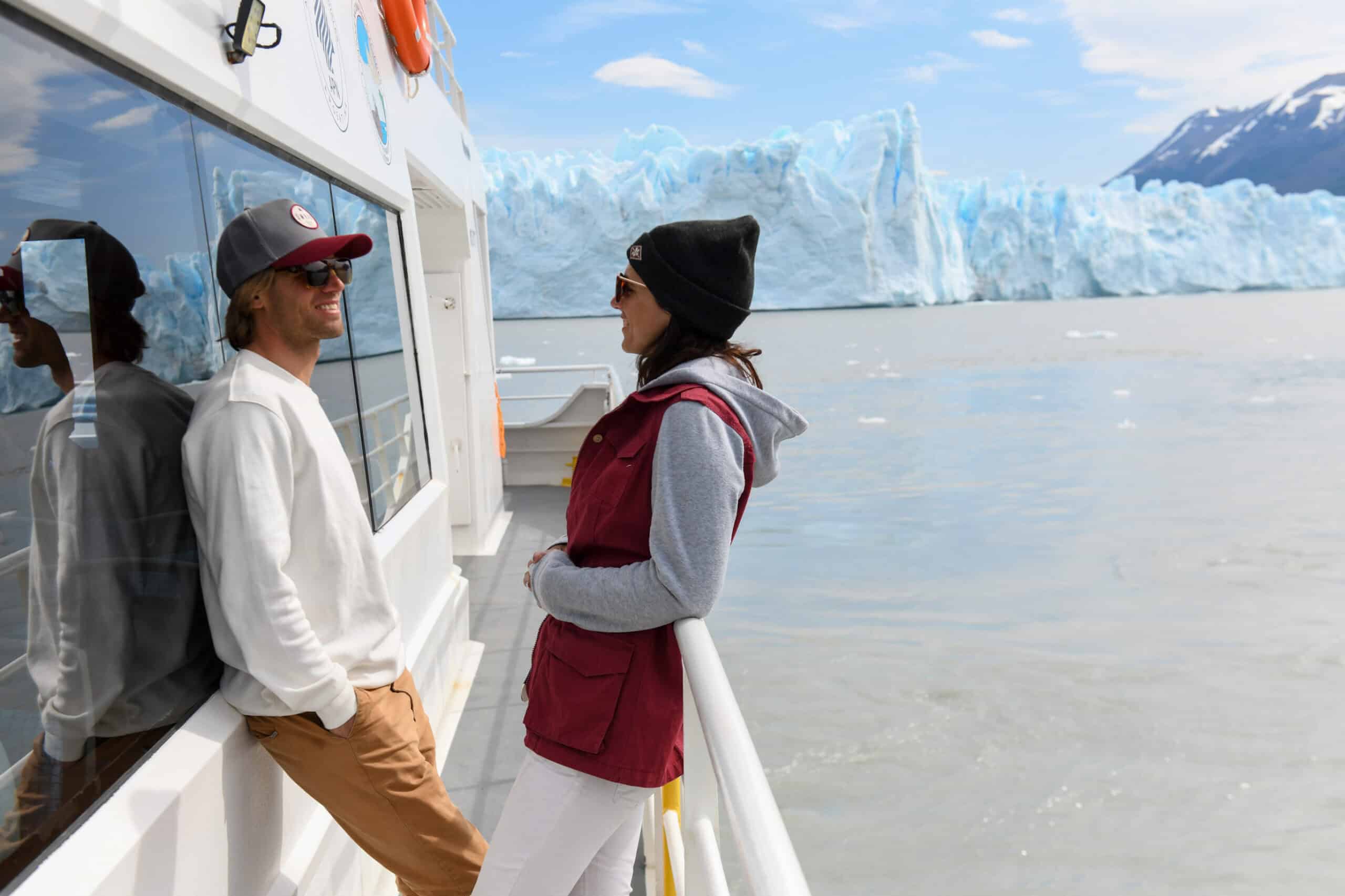
Not every El Calafate excursion operates year-round. This table shows the real availability by season:
| Excursion | Summer (Dec–Feb) | Fall (Mar–May) | Winter (Jun–Aug) | Spring (Sep–Nov) |
|---|---|---|---|---|
| Perito Moreno Walkways | ✓ | ✓ | ✓ | ✓ |
| Minitrekking on the glacier | ✓ | ✓ | ✓ | ✓ |
| Big Ice (extended trek) | ✓ | ⚠️ until April | ✗ | ⚠️ from Oct |
| Todo Glaciares (Upsala) | ✓ | ✓ | ⚠️ reduced | ✓ |
| Safari Azul (Lago Argentino) | ✓ | ✓ | ⚠️ reduced | ✓ |
| El Chaltén Full Day | ✓ | ✓ | ⚠️ ask us | ✓ |
| Torres del Paine (Chile) | ✓ | ✓ | ✗ | ⚠️ from Oct |
| Nativo Experience | ✓ | ✓ | ✓ | ✓ |
| Glaciares Gourmet | ✓ | ⚠️ until Mar | ✗ | ⚠️ from Nov |
If Big Ice is a priority for you, your trip has to fall between October and April. If you don't mind either way and just want to do the Minitrekking and see the glacier, you can go in any month — even in the middle of winter.
Summer (December–February): high season
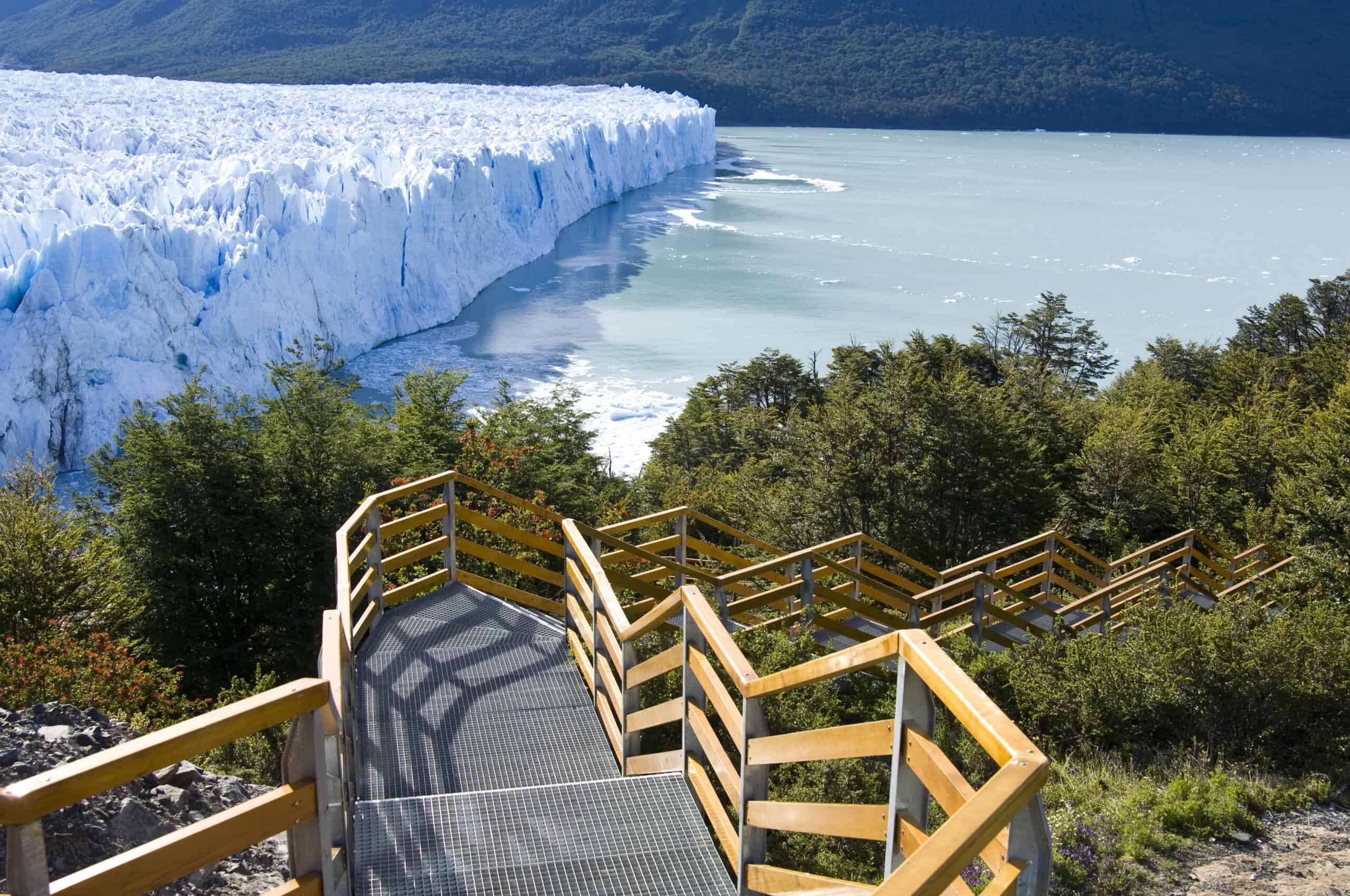
The austral summer is El Calafate's star season. Days stretch until 10:00 PM, temperatures are the most pleasant of the year and every excursion is running. It's also the most expensive and the most crowded.
Who is summer for? For those whose vacation time is fixed in January/February, for families with school-age kids, for those who want to do Big Ice or Torres del Paine, and for anyone who prefers warmer weather. If you can choose your dates, avoid the first half of January — it's the absolute peak.
Fall (March–May): El Calafate's best-kept secret
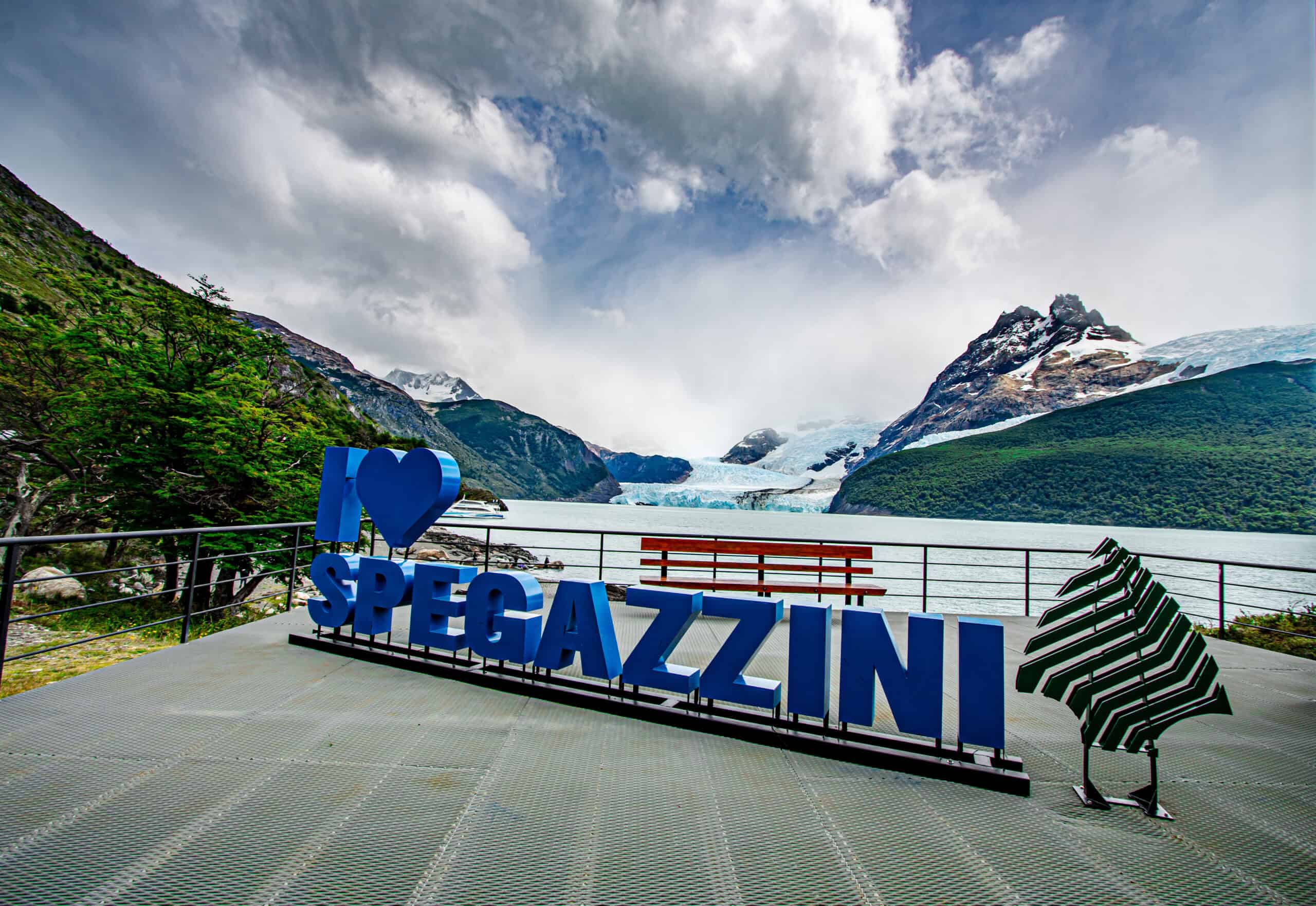
The Patagonian fall is, for many seasoned travelers, the best time of year. El Calafate's poplars and willows turn yellow, orange and red. The steppe trades its summer green for golden tones. And all of it with the blue glacier as a backdrop.
March is especially remarkable: temperatures are still comfortable (up to 18°C / 64°F), summer has just ended, every excursion is running and prices start to drop. Many of our most well-traveled clients write to us specifically for March.
If your dates are flexible and you can travel in the second or third week of March, do it. It's the best window we know: the summer heat is gone, the leaves start to turn, the park is quiet and you can book the Minitrekking without weeks of lead time. Hotel prices run 25–35% below January.
Winter (June–August): Patagonia unfiltered
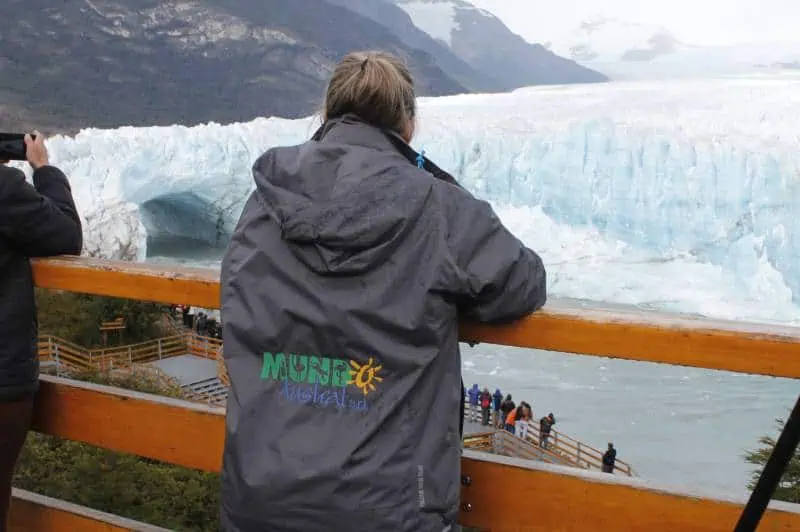
Visiting El Calafate in winter is a decision few tourists make — and one almost nobody who makes it regrets. In winter the glacier shows a more intense blue (the low-angle light brings it out), the park is practically deserted and prices are the lowest of the year.
What you need to know: it gets seriously cold. Lows can reach -5°C or -8°C (23°F to 18°F). Ice forms on the trails. Stepping out of the hotel calls for proper gear. But those who come prepared go home with the best glacier photos in existence.
🏔️ Did you know travelers from all over the world come in July specifically for the winter? Scandinavian, Dutch and Canadian visitors chasing the "real" off-season Patagonia fill the few hotels that stay open in winter. The experience is radically different from January — more intimate, more austere, more Patagonian.
Spring (September–November): the ideal season
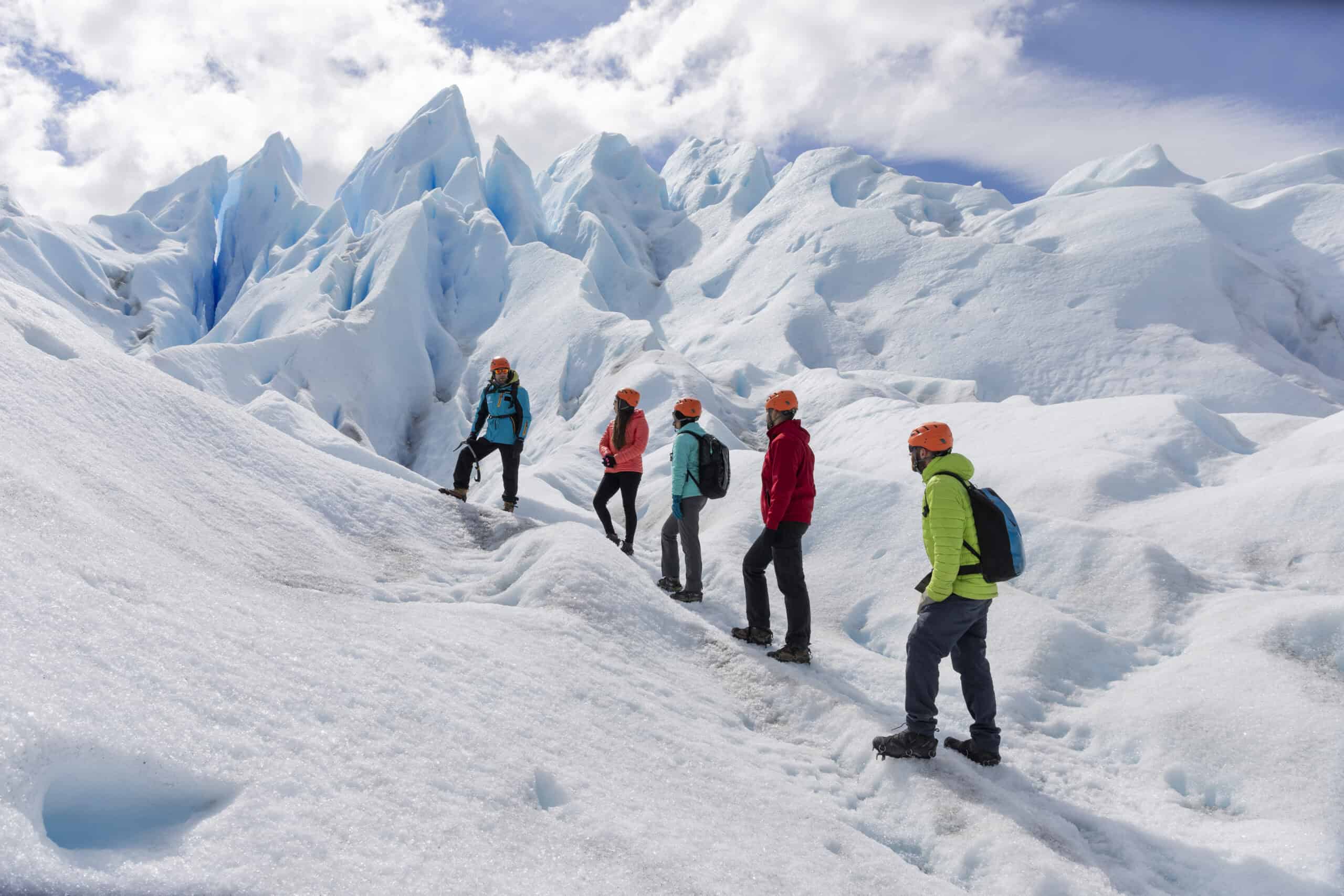
If you had to pick a single month for El Calafate and could choose freely, November is the most common answer among those who've already been. The austral spring brings long days, the steppe starts turning green, migratory birds return to Lago Argentino and tourism hasn't exploded yet.
September and October are still cold and fiercely windy — it's the windiest time of year in southern Patagonia. But November is perfect: temperatures finally allow excursions without suffering, every option is available and prices run 20–30% lower than in January.
What to expect from each excursion by season
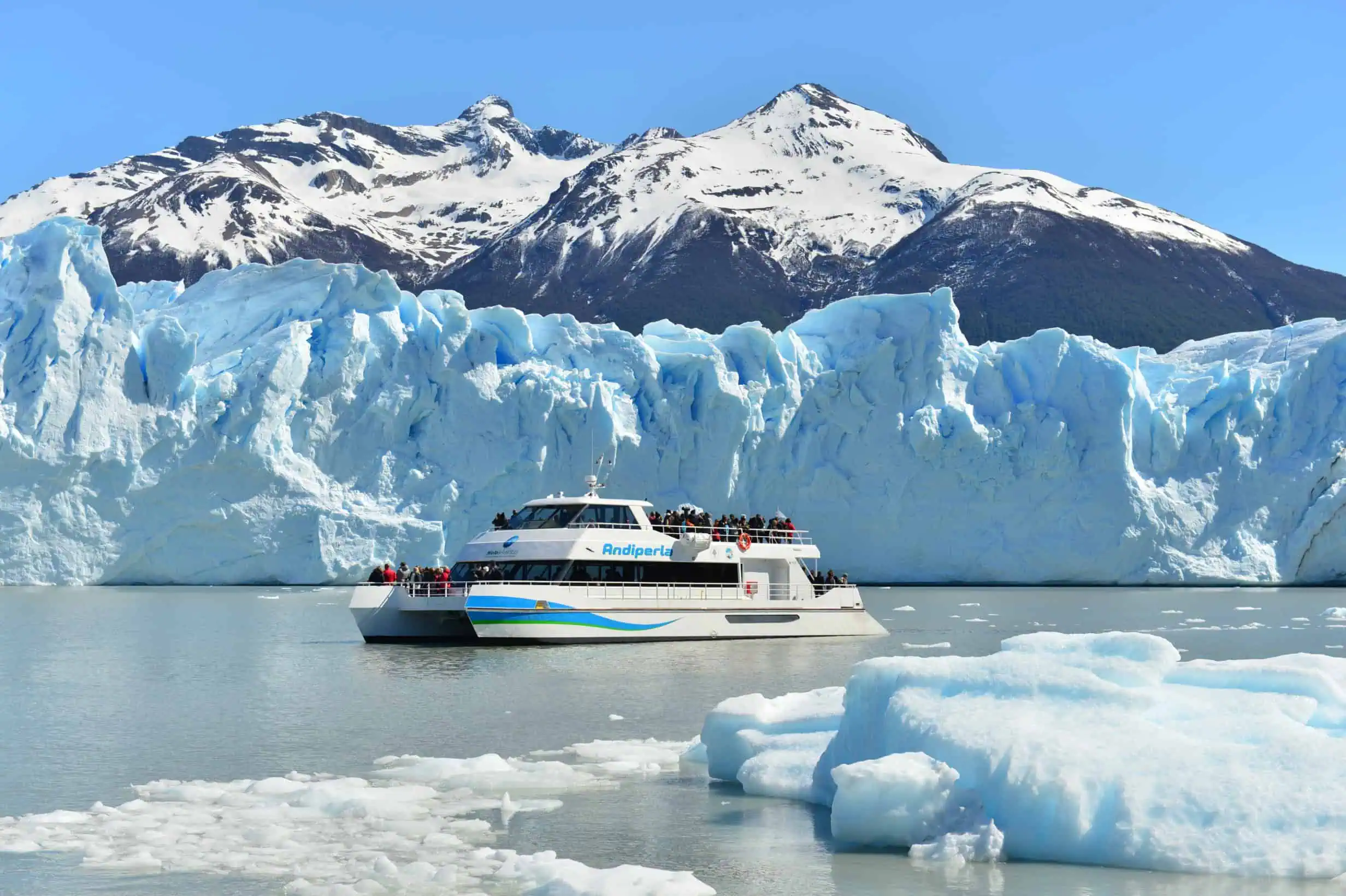
Beyond whether an excursion "operates" in a given season, the experience changes radically depending on the time of year. This is the excursion-by-excursion guide — the things nobody tells you until you're already here.
Perito Moreno Glacier (walkways + Minitrekking)
| Season | Experience at the glacier |
|---|---|
| ☀️ Summer Dec–Feb |
The glacier gets its highest visitor numbers but also the best light for photos. Days of 17–18 hours allow excursions at any time. White ice dominates — less blue contrast under direct sunlight. Calving is more frequent because of the heat. Book 20–30 days in advance. |
| 🍂 Fall Mar–May |
March is possibly the best month of the year for the glacier: summer is over, there are fewer people on the walkways and the Patagonian fall setting (yellow poplars on the road to the park) adds to the scenery. The blue ice shows best under overcast skies or side light. The park with almost no lines. |
| ❄️ Winter Jun–Aug |
The most intense blue of the year. The low-angle winter light (the sun never climbs high) creates dramatic contrasts in the ice that photographers seek out specifically. The park is nearly deserted — you can spend half an hour on the walkways without seeing another soul. The Minitrekking always operates. The most intimate experience possible. |
| 🌸 Spring Sep–Nov |
The glacier "wakes up" — rising temperatures trigger more calving activity in October and November. November has long days (15 hours of light), every excursion available and fewer people than January. The steppe blooms along the road to the park. November: the sweet spot of the season. |
Todo Glaciares (Upsala + Spegazzini + Onelli Bay)
| Season | Experience on the cruise |
|---|---|
| ☀️ Summer | The highest number of icebergs floating on Lago Argentino — the summer melt sends constant chunks calving off the Upsala. Sailing among blocks of blue ice is a visual experience like no other. Long days let you enjoy the light all the way back. The boat runs at full capacity. |
| 🍂 Fall | March and April are excellent for the Todo Glaciares. Fewer passengers on board (the boat doesn't fill up), icebergs are still plentiful and the fall light casts a golden tone over the National Park's hills. May can bring more wind and some departures are limited. |
| ❄️ Winter | The Todo Glaciares runs a reduced schedule in winter (only a few days a week — confirm availability). Those who do it in July describe an almost surreal experience: the lake deserted, the boat nearly empty, the silence of the ice. The cold on deck is intense — dress in layers. |
| 🌸 Spring | From October the Todo Glaciares returns to its full schedule. September can be windy for sailing. November is ideal: every departure available, icebergs still large from the winter, and the temperature on deck is pleasant without so much wind. |
El Chaltén Full Day (Fitz Roy and Cerro Torre)
| Season | Experience in El Chaltén |
|---|---|
| ☀️ Summer | Peak season for El Chaltén: the trails are open, and Fitz Roy and Cerro Torre may show themselves cloud-free (though not always). Days with 18 hours of light allow long hikes. The town is full and every restaurant is open. On the 3-hour drive you pass Parador La Leona, a historic roadhouse with coffee and homemade cakes. |
| 🍂 Fall (the best for photos) |
March and April are El Chaltén's best-kept secret. The lenga forests (the quintessential Patagonian tree) turn deep red, orange and yellow. The combination of Fitz Roy's black granite with the forest colors is the most photogenic sight in all of Patagonia. For photographers and travelers chasing unique landscapes, fall here has no rival. |
| ❄️ Winter | The El Chaltén Full Day runs on a limited basis in winter (ask about availability). Trails may be closed due to snow. When it does run, a snow-covered Fitz Roy is a view that justifies any trip. The town operates with very few businesses open. The road can be icy — transport uses properly equipped vehicles. |
| 🌸 Spring | Spring arrives late in El Chaltén (at 1,300 meters above sea level, the climate is harsher than in El Calafate). September and October can bring 80 km/h winds that close the trails. November is the ideal transition month: the lengas sprout fresh buds, days grow longer and the wind has eased. |
Safari Azul (Lago Argentino cruise)
| Season | Experience on the cruise |
|---|---|
| ☀️ Summer | Lago Argentino carries its highest load of floating icebergs in summer. The boat weaves between blocks of blue ice as you approach the glacier face from the water. Long days let you enjoy the 5–7 PM light (the best for photos). It can get windy in the afternoon. |
| 🍂 Fall | March and April are excellent for the Safari Azul: the lake is calmer, there are fewer boats out and the blue of the ice under fall light is especially photogenic. A technical tip: overcast days are better for photographing blue ice — without direct light the color saturates more. Fall brings more overcast days. |
| ❄️ Winter | The Safari Azul runs reduced schedules in winter. The lake holds fewer icebergs in winter, but the ones that remain are monumental — the survivors from summer. The cold on deck is real (-5°C with wind chill). But sailing a deserted Patagonian lake in winter is an experience radically unlike any other. |
| 🌸 Spring | Spring on the lake can be windy in September and October. The westerly wind pushes the water and the ride gets choppier — not a safety issue, but a comfort one. November is much better: the wind eases and fresh icebergs from the spring melt start to appear. |
If you're visiting El Calafate in March or November, do the Todo Glaciares and the Safari Azul in those months — they are the ideal windows for the boat trips. Perito Moreno Glacier is spectacular all year round. El Chaltén in March–April for photos; in November–December for trekking. There is no "bad" season for El Calafate — only the wrong season for your favorite excursion.
When to go according to your traveler profile
The question isn't just when it's best in the abstract — it's when it's best for you. By traveler type:
How many days do you need in El Calafate?
This is the second most frequent question we get. The answer depends on what you want to do:
- 3 nights (recommended minimum): Enough for Perito Moreno with the Minitrekking plus a lake excursion or the Safari Azul. You get to know the glacier well without rushing.
- 4–5 nights (the most popular): You can add El Chaltén or Todo Glaciares. Comfortable pace, with a rest or shopping day included.
- 6–7 nights (the complete experience): You add Torres del Paine and/or Big Ice. You can do everything without racing and enjoy the town too.
- 8+ nights: For those who want to go deeper — revisit the glacier, trek in El Chaltén, explore Laguna de los Tres or Laguna Nimez.
⚠️ Common mistake: Many travelers combine El Calafate with Ushuaia and/or Buenos Aires on the same trip. If you do that, 3 nights in Calafate can feel tight. Avoid scheduling important activities on your arrival or departure day — Patagonian flights can run late.
The glacier rupture: the most spectacular event
Perito Moreno Glacier behaves like no other in the world: it advances constantly until an ice bridge dams the Brazo Rico arm of Lago Argentino. When the water pressure builds up, the bridge collapses in a spectacle of ice, water and thunder that lasts hours or days.
This event, called the "glacier rupture," happens unpredictably every 2 to 5 years. There's no way to know when the next one will be. The most recent documented events were in 2016, 2018 and 2023. If your visit coincides with a rupture, it's a once-in-a-lifetime event.
When the glacier rupture approaches, the National Park closes the walkway area for safety and opens special viewpoints. At Mundo Austral we alert all our clients via WhatsApp in real time when an imminent rupture is announced. If you're planning your trip and want us to notify you, send us a message — we'll add you to our free alert list.
Practical tips for planning your trip
Flights to El Calafate
El Calafate airport (FTE) has direct flights from Buenos Aires (AEP and EZE), Bariloche, Mendoza and Santiago de Chile (in summer). High season brings more frequencies. Aerolineas Argentinas and LADE have the most complete routes. Flight prices skyrocket in December–February — if you can buy 90–120 days in advance, your wallet will notice.
Where to stay
El Calafate has options for every budget: from hostels at $15,000 ARS/night to Explora Patagonia or Los Sauces at over USD 500/night. The most convenient area for visitors is downtown, near Av. del Libertador. In winter some hotels close — always confirm availability.
Booking ahead vs. arriving and figuring it out
In high season (Dec–Feb) never arrive without reservations. Minitrekking and Big Ice slots sell out online 2–3 weeks ahead in January. Budget hotels are full from November on. In low season (Jun–Aug) you can arrive with more confidence — but it's still worth booking the Minitrekking 3–5 days ahead to lock in the time slot you want.
Patagonian estancias: operating window
The area's most complete estancias operate exclusively between October and April. Estancia Cristina (reached by boat among icebergs with views of the Upsala Glacier, 4x4 ride and lunch) and Estancia Nibepo Aike (herding, shearing and horseback riding) are open from Oct 1 to Apr 30. Estancia 25 de Mayo, the most accessible at just 10 minutes from downtown, also operates October through April with its evening tour featuring a bonfire and traditional dinner. If you travel in winter (June–August), these options are not available.
The 50% trick: Your Los Glaciares National Park ticket gives you a 50% discount on your second visit within the following 72 hours. If you plan to visit Perito Moreno Glacier two days in a row — the walkways one day, the Minitrekking or the cruise the next — you buy the ticket on day one and pay half on day two. It pays to schedule your park visits on consecutive days to take advantage of this discount.
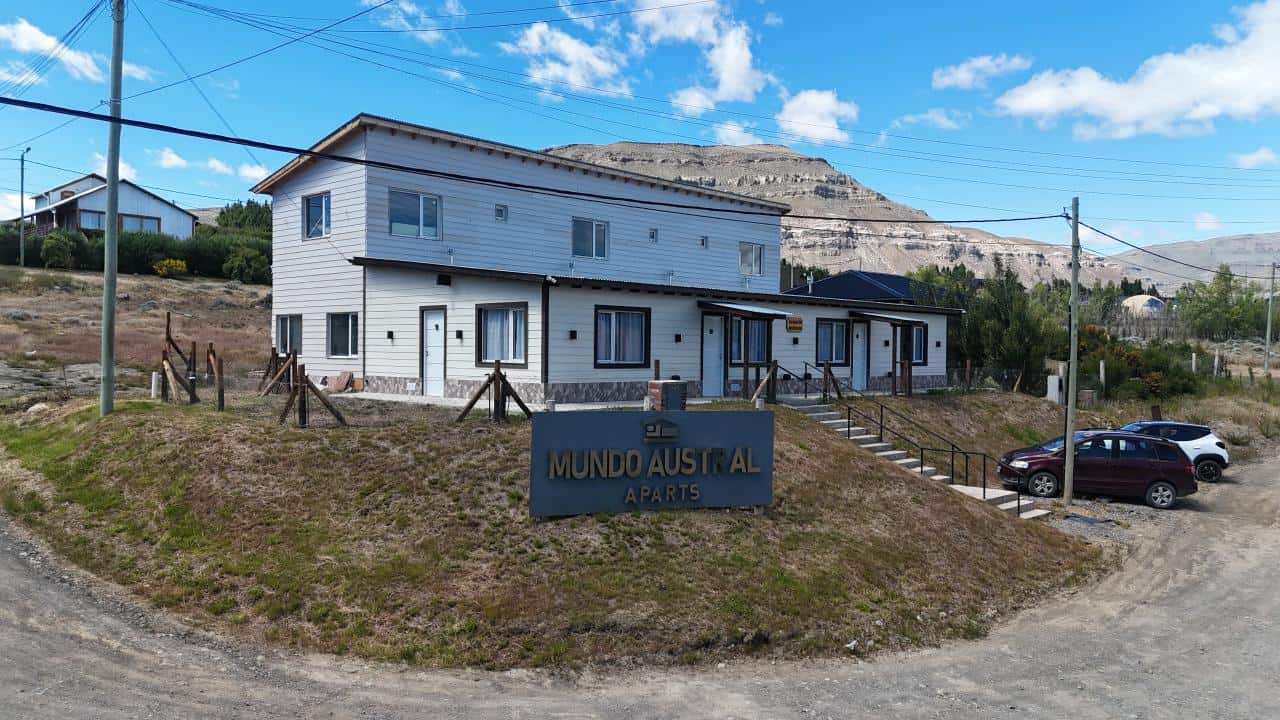
Where to stay in El Calafate: Apart Mundo Austral
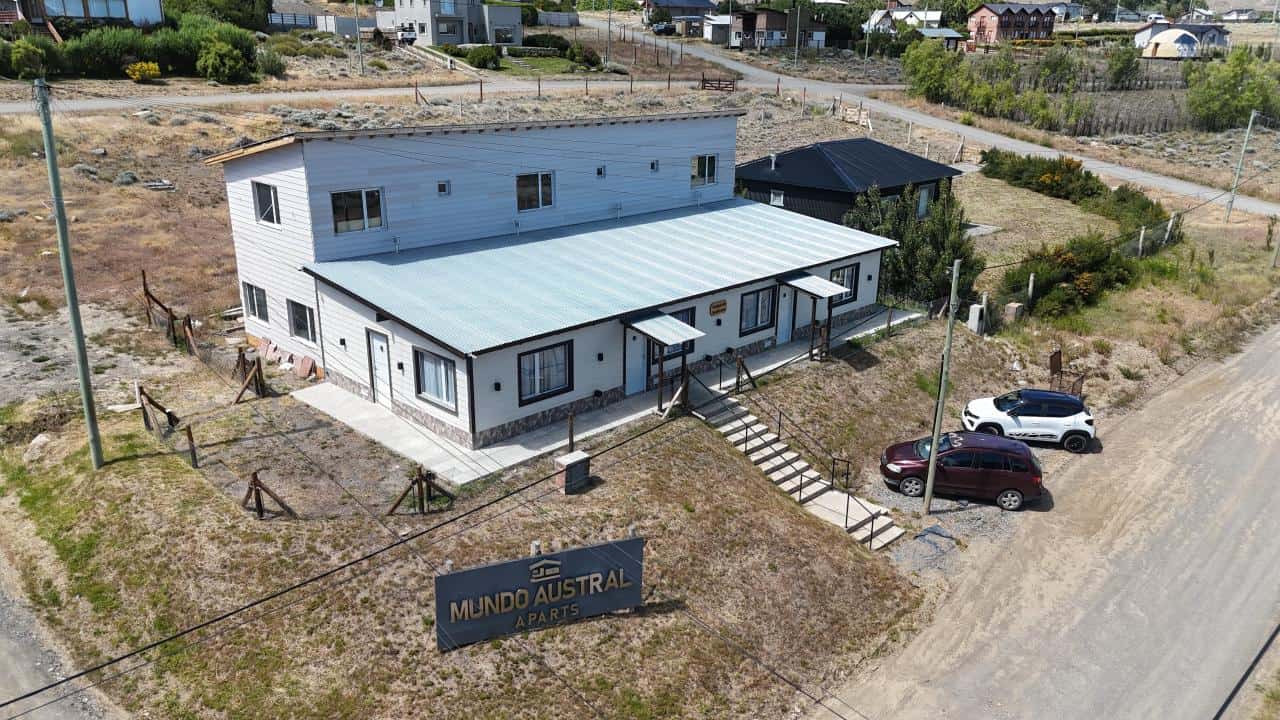
Brand-new apartments in the heart of El Calafate. Full kitchen, WiFi, Smart TV + Netflix, central heating and free private parking. 3-night minimum. From $50,000 ARS/night (up to 2 guests).
By staying with Mundo Austral you can book your excursions directly with the agency — no middlemen, at the best price.
View Apart and availability → 📱 Contact via WhatsApp
Packages and Combos in El Calafate
If you want to make the most of every day and save money, Mundo Austral offers packages that combine airport transfers + excursions. Buying the combo works out cheaper than booking each item separately.
Frequently asked questions
The most common questions about when to visit El Calafate.
Have you decided when to go?
Tell us your dates and your group size — we'll build the ideal itinerary with every excursion available in that season.