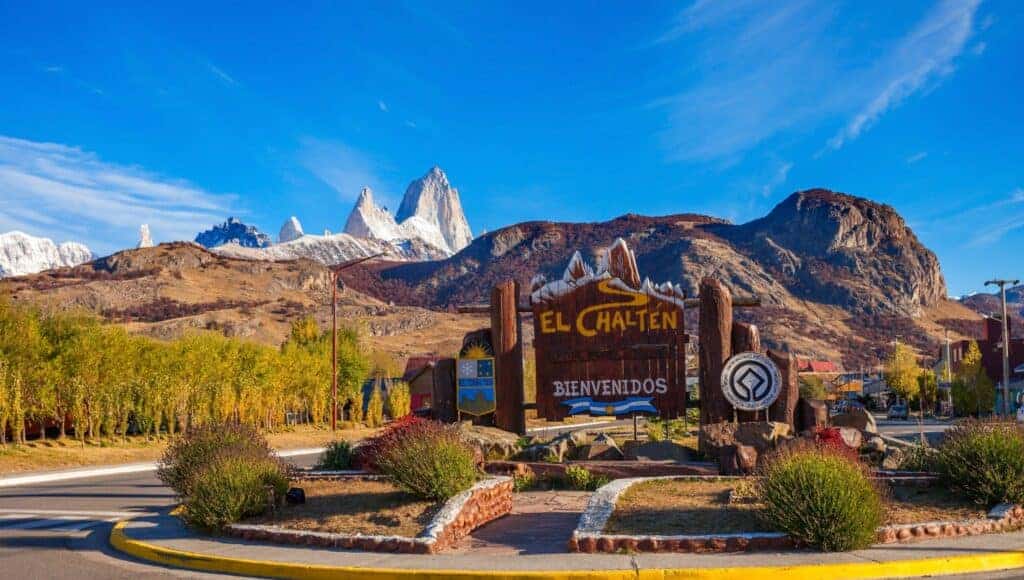
What is the Full Day excursion to El Chaltén?
El Chaltén is a village of barely 1,500 inhabitants located 225 km north of El Calafate, inside Los Glaciares National Park. It was founded in 1985 — strategically, to assert Argentine sovereignty in the border area with Chile — and today it is officially recognized by national law as Argentina's National Trekking Capital.
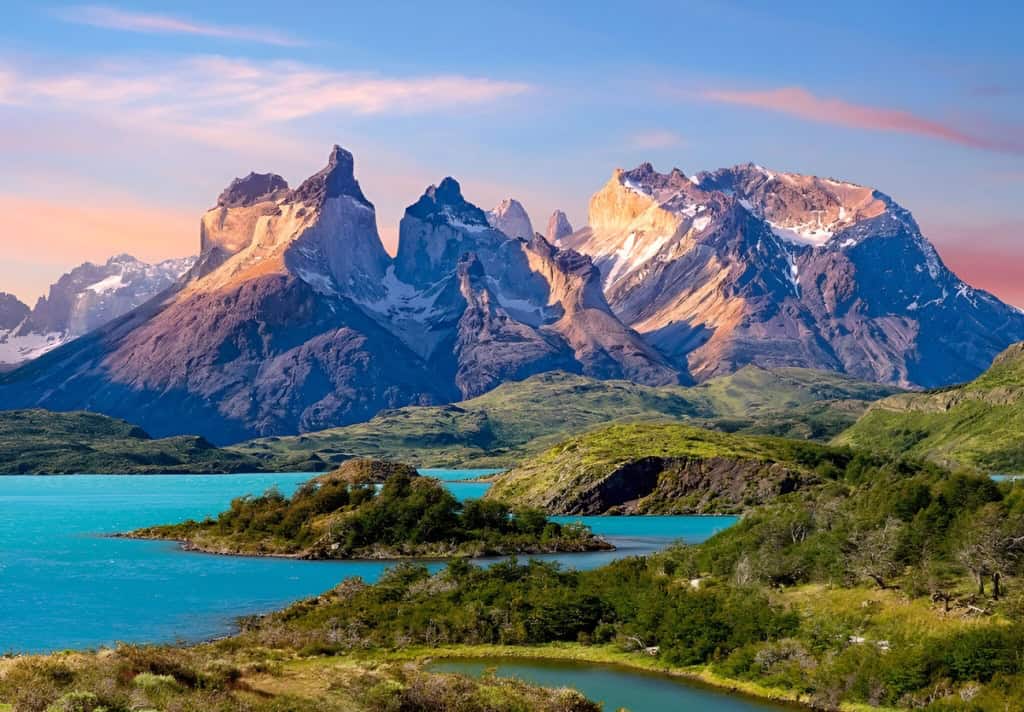
The name "Chaltén" comes from the Tehuelche language and means "smoking mountain," a reference to how Mount Fitz Roy looks when clouds swirl around its summit, making it appear to be on fire. At 3,405 meters, Fitz Roy is one of the hardest peaks to climb in the world and technically impossible for untrained visitors, but its base trails are accessible to anyone with a good pair of shoes.
The excursion from El Calafate is the most practical way to visit: in a single day you get there, hike, and come back. No extra accommodation needed, no car rental, and with a bilingual guide included. It's one of the excursions in El Calafate most chosen by travelers.
In El Chaltén all hiking trails are free and require no advance permit. The National Park rangers give a mandatory 15-minute briefing at the Visitor Center before you set off. The excursion builds this time into the schedule.
The day's program — Detailed schedule
Here's what you experience from start to finish on a Full Day trip to El Chaltén:
- 7:00 AM — Departure from the meeting point in El Calafate (usually downtown or your hotel with pick-up).
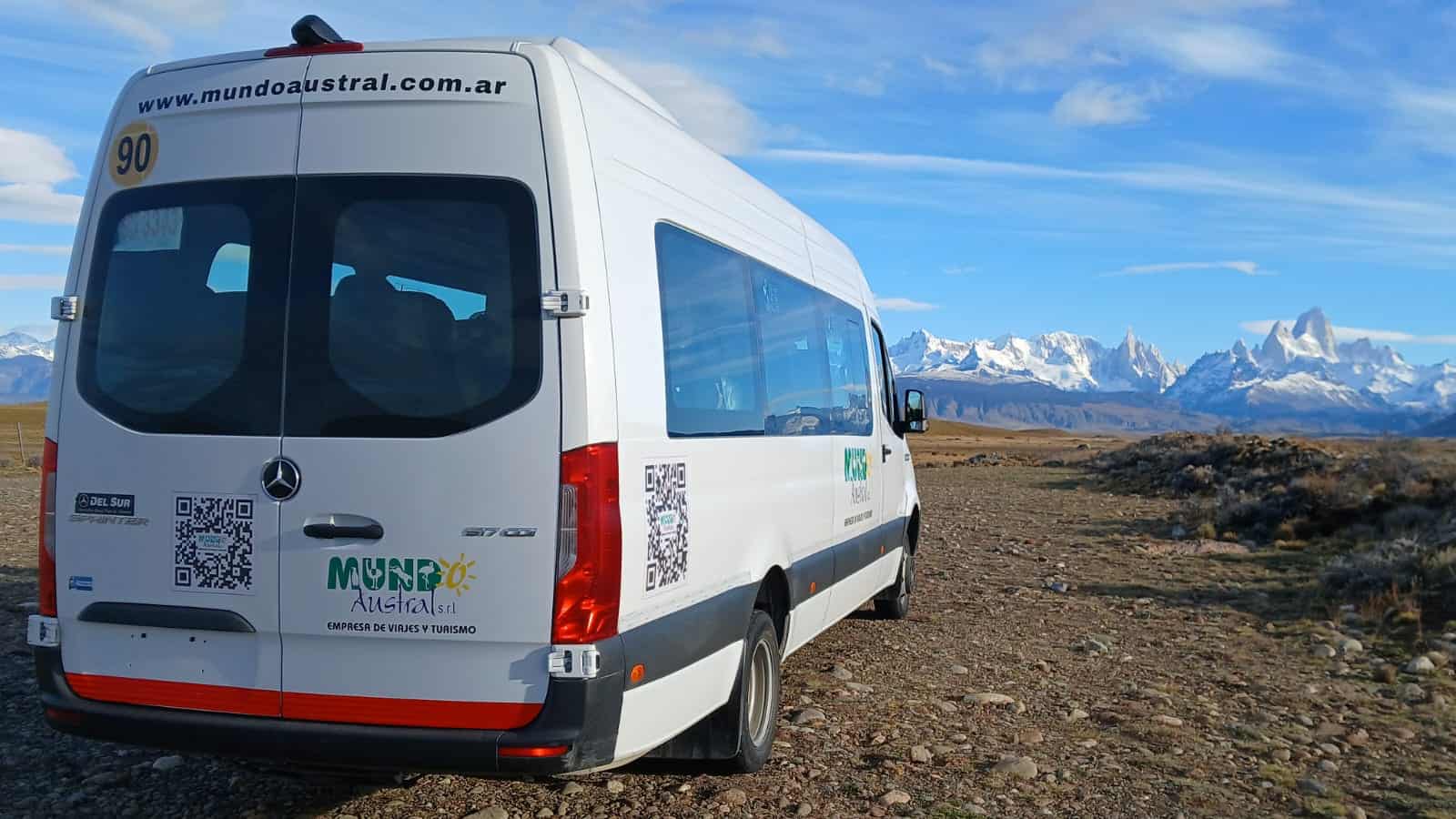
- 7:00–10:00 AM — Minibus ride along Route 40 and then Route 23. That's 225 km of Patagonian steppe, with chances of spotting guanacos, rheas and condors from the window. The guide shares the history of the region along the way.
- 10:00–10:20 AM — Arrival at the National Park Visitor Center. Mandatory ranger briefing. Safety recommendations, environmental care and trail options.
- 10:20 AM–5:00 PM — Free time for hiking. This is the heart of the day. You choose your trail based on fitness level and preference.
- 5:00–5:30 PM — Return meeting point. Time for lunch at one of the village restaurants or to shop for crafts.
- 6:00–7:00 PM — Arrival back in El Calafate.
⚠️ Important: The return time may vary depending on road conditions and weather. In the height of the Patagonian summer (December-January) the sun doesn't set until 10:00 PM, so daylight conditions for hiking are unbeatable.
The 3 main trails — Which one to choose?
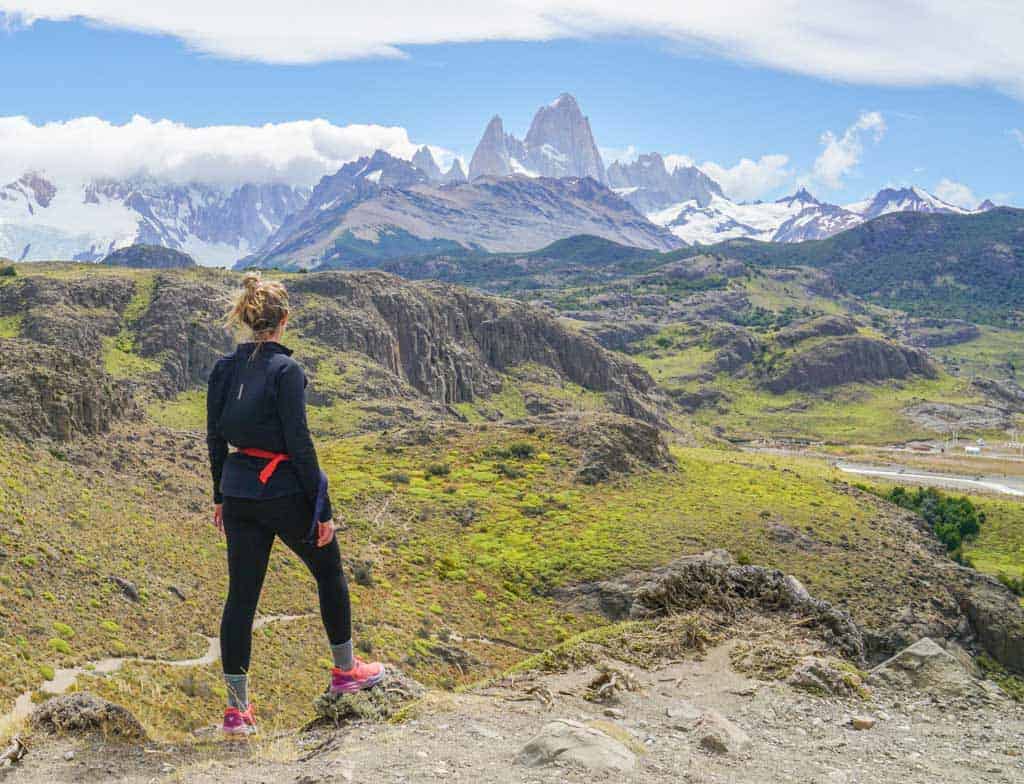
Once you arrive in the village, you basically have three main options depending on your fitness level and the time available. Here they are in detail:
The most iconic and most demanding trail. You end at a turquoise glacial lake at the foot of Mount Fitz Roy. The final hour is a steep 400-meter climb that requires good physical condition. The visual reward is beyond compare: on clear days, the reflection of Fitz Roy in the water looks straight out of a movie.
Cerro Torre (3,128 m) is considered by many alpinists to be the hardest mountain in the world. Its vertical granite needle topped with a mushroom of ice is simply awe-inspiring. The trail to the base lake is more even than the Fitz Roy one, with some uphill sections but without the steep final climb.
Ideal for families with children, seniors, or anyone who prefers to enjoy the scenery without intense effort. The viewpoint offers a panoramic view of the Fitz Roy massif and the Río de las Vueltas Valley. Perfect for taking it slow, snapping photos and relaxing in the village.
More trails to explore — Beyond the 3 classics
If you stay more than one day (or if your fitness allows for more on the same day), El Chaltén has a much wider network of trails. Here are the most recommended, ordered from most accessible to most demanding:
A short, pleasant walk to a waterfall north of the village. Ideal for a relaxed day, a free afternoon, or an outing with small children. It can be combined with Los Cóndores and Las Águilas on the same afternoon. In winter the waterfall freezes completely, creating a spectacular wall of ice.
Two viewpoints that combine easily into one afternoon. From the top you get a full panoramic view of El Chaltén with Fitz Roy in the background — one of the best "whole village" photos you can take. It is also the best spot to watch condors in flight at midday, when the thermal currents are strongest.
The most underrated trail in El Chaltén. It heads south of the village (a different direction from Fitz Roy and Torre) and ends at a summit with 360° views of the whole mountain range and the Southern Patagonian Ice Field. Far less crowded than the northern trails. The views from the first summit are already stunning; if you dare to climb to the second, higher point (very windy and slippery) the panorama is absolutely unique. Check the forecast: this trail is particularly exposed to the wind.
An optional detour on the way back from Laguna de los Tres. The trail is relatively flat and ends at a viewpoint facing the Piedras Blancas Glacier, a hanging glacier perched on rock walls with blocks of ice that break off periodically. A great way to extend the hike without significant extra effort if you've already done Fitz Roy that day.
Located 37 km north of El Chaltén, on the border with Chile. You get there by private or shared transfer (ask at your accommodation). Once there you can take a boat across the turquoise lake and hike to the Huemul Glacier, which descends almost to the water's edge. From here, Fitz Roy is seen from a completely different perspective than from the village trails. Ideal as an excursion for a second or third day in El Chaltén.
The most demanding trail accessible without a technical guide. It requires spending the night at the base camp because the distance can't be covered in a single day. The trail is not well marked — the rangers specifically warn you about this and ask you to register at the Visitor Center before setting off. The views over the Southern Patagonian Ice Field are extraordinary. Only for hikers with mountain experience and full camping gear.
In El Chaltén, the trails are NOT signposted with abundant markers like in the Alps or Torres del Paine. The rangers emphasize this in the initial briefing. If you plan to hike Laguna de los Tres, download the offline map on Maps.me or AllTrails before leaving El Calafate, because there is no signal on the mountain.
What to pack in your backpack?
The golden rule in El Chaltén is that the weather can change in 20 minutes. The sun can be shining bright when you step off the minibus and it can be raining sideways by the time you reach the lake. This is Patagonia.
- Small backpack (20-25 liters) — You don't need a mountaineering pack, but you do need something that fits all your layers.
- Waterproof rain gear — A jacket with a Gore-Tex or similar membrane. Essential. A "water-resistant" jacket won't cut it.
- Hiking shoes with good grip — For Laguna de los Tres, running shoes aren't enough. For the Viewpoint, they are.
- Water — at least 2 liters — There are water sources along the way but a purifier or purification tablets are recommended.
- Food and snacks — Cereal bars, nuts, a sandwich. The village restaurants are only for before or after the hike.
- Sunscreen and sunglasses — The Patagonian wind is deceptive: you don't feel the heat but the summer sun burns hard.
- Extra warm layers — Fleece or merino wool. The temperature at the top can be up to 10°C colder than in the village.
- Trekking poles (optional but recommended for Laguna de los Tres)
- Downloaded offline map (Maps.me or AllTrails)
Wildlife and nature along the way
El Chaltén is not just about mountains. The trails cross varied ecosystems where Patagonian wildlife takes center stage:
Andean condor (Vultur gryphus)
With a wingspan of up to 3.2 meters, the condor is the largest non-aquatic bird in the world. On the Fitz Roy trails it's common to see groups of 3 to 6 condors soaring on the thermal currents at great height. The best time to spot them is between 11:00 AM and 2:00 PM, when the currents are strongest.
Guanaco (Lama guanicoe)
Guanacos are the wild camelids that rule the Patagonian steppe. During the minibus ride along Route 40 it's very common to see herds of 10 to 30 animals. They also appear on the trails farthest from the village.
Upland goose (Chloephaga picta)
A black-and-white Patagonian goose, common in the valleys near the rivers. It leads its chicks walking in single file — one of the most endearing sights in Patagonia.
Lenga forests
The trails cross forests of lenga (Nothofagus pumilio), a deciduous Patagonian tree. In autumn (March-April) these forests turn red, orange and yellow in what is perhaps the most photogenic landscape in all of Argentine Patagonia.
Guanacos in El Chaltén have a very particular behavior: the alpha male stands guard while the herd grazes. They don't run away when they see humans, but if you sense them getting tense or making a sound like a high-pitched neigh, back away slowly. It's an alarm signal.
The weather in El Chaltén — What nobody tells you
El Chaltén has a reputation for having the worst weather in Argentine Patagonia, and that reputation is well earned. It sits wedged between the Southern Patagonian Ice Field and the Andes, which creates extreme and rapidly changing weather conditions.
Wind is the dominant factor. In summer (December-February), days with 80-100 km/h winds are frequent, making hiking in exposed areas practically impossible. When the wind exceeds 80 km/h, the rangers close the most exposed trails (especially the upper section of Laguna de los Tres).
- December – February (high season): 8°C to 18°C. Long days (daylight until 10 PM). Frequent strong wind. High chance of rain.
- March – April (low season — our recommendation): 5°C to 14°C. Gentler wind. Spectacular autumn colors. Fewer tourists.
- May – September (winter): -5°C to 6°C. Many services closed. The excursion from El Calafate may not operate.
- October – November (spring): 4°C to 12°C. Variable weather. Late snow possible. Very windy.
| Season | Daylight hours | Sunrise | Sunset |
|---|---|---|---|
| Summer (Dec–Feb) | 14–16 h | 5:00–6:00 | 22:00–23:00 |
| Autumn (Mar–May) | 8–10 h | 6:30–7:30 | 18:00–19:00 |
| Winter (Jun–Aug) | 6–8 h | 8:00–9:00 | 16:30–17:30 |
| Spring (Sep–Nov) | 10–12 h | 6:00–7:00 | 20:00–21:00 |
💡 The secret locals know: if the sky dawns clear in El Calafate, there's a 70% chance it will also be clear in El Chaltén that morning. Afternoons tend to cloud over. That's why the early 7:00 AM departure is strategic.
2026 prices and what's included
The price of the Full Day excursion to El Chaltén from El Calafate in 2026 is $180.000 to $220.000 ARS per person, depending on the operator and whether hotel pick-up is included.
What's included:
- Round-trip minibus transportation (225 km each way)
- Bilingual Spanish/English guide during the trip
- Assistance at the Visitor Center
- Hotel pick-up (some operators)
What's not included:
- Los Glaciares National Park entrance fee (~$50.000 ARS for foreign visitors, paid at the village entrance)
- Lunch and drinks
- Trekking poles (can be rented in El Chaltén for ~$3.000 ARS/day)
- Additional trekking insurance
Tips from our local guides
After years of taking travelers to El Chaltén, this is what we always repeat:
- Decide on your trail the night before. When you arrive at the Visitor Center you should already know where you're going. Losing 30 minutes deciding means losing the best morning light.
- Hit the trail before 10:30 AM. The best photos of Fitz Roy are taken in morning light. By 2:00 PM the sun is already facing you and the summit tends to cloud over.
- Eat well before setting off. The minibus stops at the Confitería El Calafate halfway there. There are also bakeries open from 6:30 AM in town.
- Don't underestimate Laguna de los Tres. Every season we guides see people setting out in canvas sneakers and jeans. In summer that's tolerable; in spring or autumn it can be dangerous.
- Make the most of your time in the village. El Chaltén has bars with local craft beers (Cervecería Chaltén) and some restaurants serving excellent Patagonian cuisine. Get back 30-40 minutes before the return meeting time to enjoy it.
Cervecería Chaltén is the first craft brewery in Argentine Patagonia and brews its beers with meltwater from Fitz Roy. The "Rubia Glaciar" and the "Negra Cerro Torre" are the most popular. Perfect for the ride back after a day of hiking. There's nothing like it in El Calafate.
The village of El Chaltén — What to do besides hiking
El Chaltén has barely 1,500 inhabitants, but don't let the number fool you: the infrastructure this small village has to welcome you after a day in the mountains is remarkable. Everything revolves around the main street, Güemes, which packs restaurants, bars, craft breweries, outdoor gear shops and craft stores into a few blocks. It's a small place but completely alive, especially in high season.
Craft beer — A Patagonian tradition
El Chaltén is recognized throughout Argentina as one of the country's craft beer capitals. With glacial meltwater as raw material, the quality of the product is exceptional. The two most notable breweries are:
- Cervecería El Chaltén — The oldest in the village. Its Rubia Patagónica and Negra Cerro Torre are regional classics. The taproom has direct views of the mountains and is ideal for sitting down after a hike to watch Fitz Roy turn orange at sunset.
- Manantial del Bosque — Smaller and more artisanal, with recipes that vary by season. Locals prefer it for a quieter drink away from the mass tourist circuit.
El Chaltén's craft beer is famous throughout Argentina. A Rubia Patagónica from Cervecería El Chaltén after a hike is one of those small pleasures that make the trip perfect. Order it on tap: it's a whole different thing compared to the bottled version.
Cafés to warm up
When the Patagonian wind chills you to the bone or you come back soaked from the rain, a café con leche and a medialuna (Argentine croissant) at one of the downtown cafés are worth their weight in gold. Most of the village's cafés have wood or pellet stoves, wooden walls and that mountain-refuge atmosphere that makes you never want to leave. Some also serve hearty breakfasts, ideal for fueling up before hitting the trail.
Craft shops and Patagonian clothing
If you want to take home a souvenir from El Chaltén that isn't a fridge magnet, the village has several local craft shops with genuine products: guanaco and sheep wool weavings, hand-worked Patagonian leather, illustrations of Fitz Roy and Cerro Torre by local artists, and outdoor clothing from local brands. You'll also find shops with technical trekking gear in case you need something you didn't bring.
Fitz Roy from the center of the village
One of the things that surprises first-time visitors to El Chaltén is that you don't need to do any hiking to see Fitz Roy in all its glory. From several corners of the village center, especially at the north end of Güemes street, the granite peak dominates the horizon. On a clear day, the view from the village itself justifies the trip. There are several designated natural viewpoints that the rangers mark on the initial map.
Where to eat in El Chaltén
The village has a surprisingly good food scene for its size. Some places that people who know El Chaltén well always recommend:
- El Parador — Famous for having the best empanadas in Patagonia. A small spot, ideal for buying takeaway before hitting the trail.
- Patagonia Rebelde — A good place for lamb, chicken and regional stews. Generous portions. Casual atmosphere.
- La Tapera — One of the most renowned restaurants in the village. Trout from Lago del Desierto, meat stews and a good wine list. Ideal for your arrival night if you're staying over.
- Bourbon Smokehouse Bar — Rocker vibes, burgers and the best craft beer in the village. Afternoon happy hour: the perfect time to arrive after a hike.
- La Birre — Another local craft beer classic, with a terrace and direct mountain views.
- La Esquina Chaltén — For breakfast or an afternoon snack: coffee, juices, empanadas and pastries. Opens at 8 AM, ideal if you want something warm before setting off on the trail.
At El Chaltén restaurants the tip is not included in the bill. The standard is to leave between 10% and 15% of the total. In cash whenever you can: the waiters prefer it.
Did you know this about Fitz Roy?
For many years, Mount Fitz Roy was believed to be an active volcano. The clouds that surround it almost permanently made people think smoke was rising from its summit — hence the Tehuelche name "smoking mountain." The summit of Fitz Roy is cloud-free only about 30 days a year. If you see it clear, you're one of the lucky few.
What to do if the weather is really bad
There are days in El Chaltén when the wind exceeds 80 km/h and the rangers close the most exposed trails — especially the final stretch of Laguna de los Tres, which sits in open terrain with no trees to shelter it. When that happens, don't panic: there are options.
⚠️ In El Chaltén, the weather changes fast. A stormy day can give way to a spectacular sky the next. Veteran trekkers know you need Patagonian patience: you wait, have a beer, and sometimes the wind drops within a few hours and you can head out anyway.
Trails sheltered by the forest
The first kilometers of the main trails run through the lenga forest, where the wind doesn't hit the way it does in the exposed areas of the mountain. With strong but manageable wind, it's perfectly possible to do the lower part of Laguna de los Tres up to the Río Blanco, or the first kilometers toward Laguna Torre, without reaching the exposed points. The rangers will tell you exactly how far you can safely go.
The Visitor Center
The National Park Visitor Center, at the entrance to the village, has interpretive panels on the geology of Fitz Roy, the natural history of the Park and the local wildlife. It's not a huge museum, but if the weather is impossible and you want to understand the place you're in, it's an hour well spent.
Indoor options: library and museum
The village has a small public library and a local cultural space that operates in high season with mountain photography exhibits and Patagonian art. They're small spaces, but on a stormy day they become the most pleasant place in the world. There are also a few cafés with big tables where groups of trekkers spend the day playing cards or going through photos.
If you're on the full day excursion
If you arrive in El Chaltén on the full day excursion and the weather doesn't allow demanding hiking, the guide adapts the program. Safety always comes first, and the usual alternative is a walk along the lower valley trails plus extended free time in the village to explore bars, breweries and the Visitor Center. The trip is still worth it: the scenery from the minibus and the village setting are experiences in themselves.
Other activities for days without intense hiking
If the weather doesn't cooperate or you want something different from classic hiking, El Chaltén and its surroundings have more options:
- Mirador Margarita — A short trail (about 2 hours) with a panoramic view of the Torre and Fitz Roy massifs from another angle. Less known than Los Cóndores and therefore quieter.
- Lago Ázul — 6 km round trip, easy difficulty. A small, peaceful lake in the forest, ideal for those who need to move without physical strain.
- Lake Viedma cruise — A boat trip to the Bahía de los Témpanos, with drifting blocks of ice and the Andes as a backdrop. A perfect option for non-trekkers or for a rest day with equally epic scenery.
- Rafting and kayaking on the Río de las Vueltas — For those who want adrenaline without a trail. Rafting suits adults looking for adventure; kayaking is gentler and suitable from age 5. Both activities are booked in the village.
Laguna de los Tres — The most iconic trail in detail
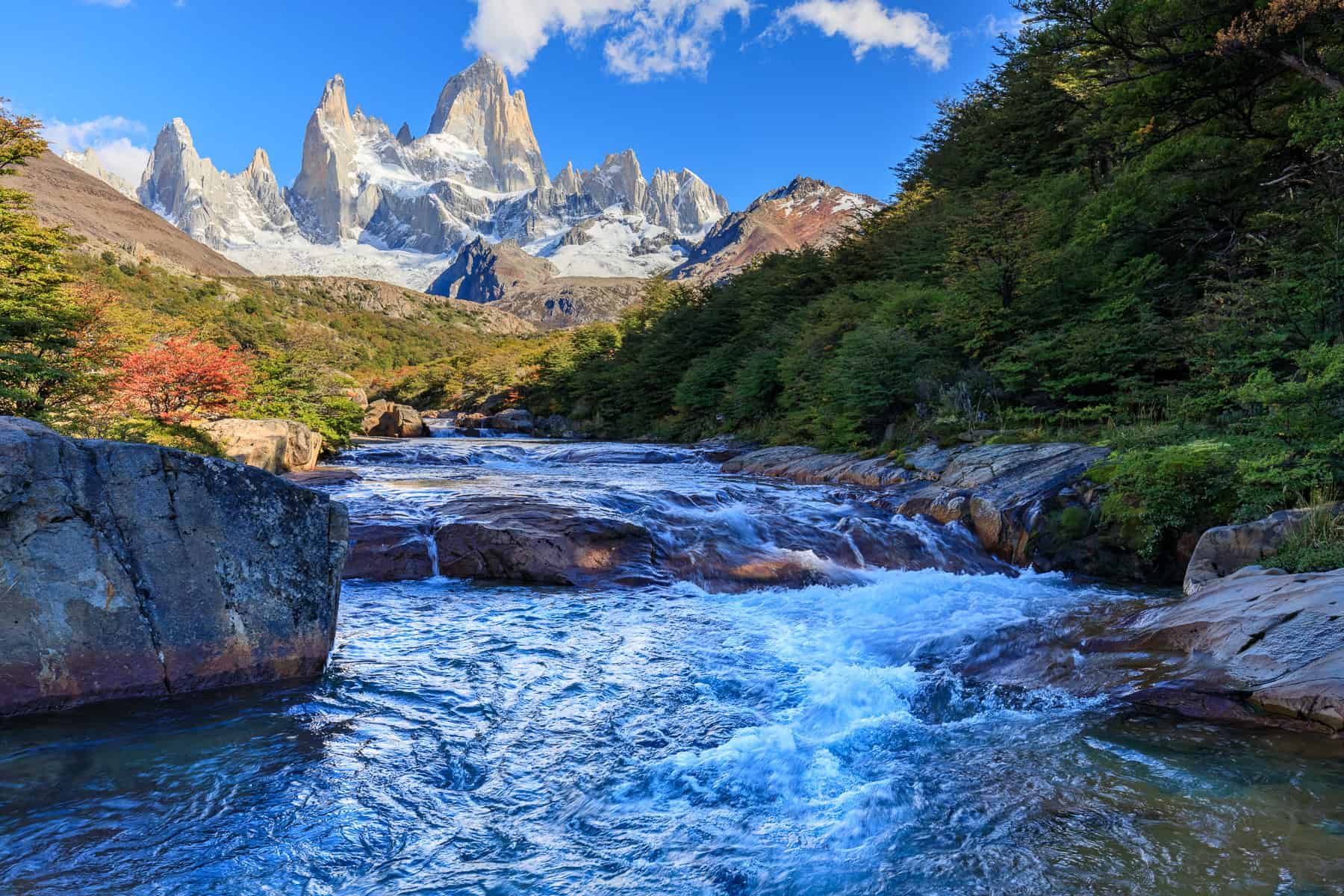
If you're fit enough to do it, Laguna de los Tres is probably the best full-day hike available to visitors in all of Argentina. The trail is 25 km round trip with about 800 meters of cumulative elevation gain, but what you find at the end more than justifies the effort.
Section 1: Village → Río Blanco Camp (3 hours, gentle)
The first 9 km of the trail are relatively gentle and run largely through the lenga forest. The path follows the course of the Fitz Roy River with some moderate ups and downs. This is the section where you're most likely to see guanacos and the park's birds. The forest shelters you from the wind and the temperature is more pleasant.
- Km 4 — Laguna Capri: A small, intensely light-blue lake with the first head-on views of Fitz Roy. Free camping area. Ideal for a break, hydrating and taking the first epic photos of the trip. Many trekkers camp here to have more time at the top the next day.
- Km 8 — Poincenot Camp: The main campsite on the trail, always full in high season. It has drinking water and is the starting point for those doing Fitz Roy as a 2-day overnight hike. Arriving early you'll see many trekkers who spent the night there starting the final ascent — a sign you're on the right track.
The Río Blanco camp, at the end of this first section, also has drinking water and is where many hikers rest before tackling the hard part.
Río Eléctrico tip: If you go on your own (not on the excursion), you can take a transfer from the village to Río Eléctrico (costs ~$15.000 ARS per person). From there the route starts at the Piedras Blancas Glacier Viewpoint and is about 5 km shorter than starting from the village. Hike the trail back so you finish in the village. It's the most comfortable way to do Laguna de los Tres in one day without stretching it too far.
Section 2: Río Blanco → Laguna de los Tres (1 hour, very steep)
From the Río Blanco camp, the trail climbs abruptly, gaining 400 meters over roughly 1 km. It's the most demanding section in the whole park for non-technical hikers: the grade is relentless and in some spots you have to use your hands to help yourself up. In strong wind, this is the stretch the rangers may close. With sun and good weather, the scenery you discover as you climb — first the secondary peaks, then the full massif — is one of those moments you never forget.
The final stretch of Laguna de los Tres is what separates those who say "I went to Chaltén" from those who say "I climbed to Laguna de los Tres." It is absolutely worth the effort. Bring poles if you can — on the way down this section, your knees will thank you enormously.
What you'll see at the top
When you reach the lake you find a plain of rock and sand surrounded by glacial ice, with water in the intense turquoise color typical of glacial melt. From here you have a direct, head-on view of Mount Fitz Roy (3,405 m) and its secondary summits: Poincenot (3,036 m), Mermoz (2,732 m) and Rafael (2,567 m). On windless days, the reflection of Fitz Roy in the lake is one of the most photographed images in Argentine Patagonia.
Best time to reach the top
The ideal light for photographing Fitz Roy from Laguna de los Tres is between 12:00 and 2:00 PM, when the sun hits the granite wall head-on. If you leave the village at 10:20 AM after the ranger briefing, you can be at the top between 1:30 and 2:00 PM at a good pace. In the afternoon, clouds tend to cover the summit more often.
The picnic at the lake
There are very few places in the world where a lunch break is as worthwhile as at Laguna de los Tres. Carry your lunch in your backpack: a sandwich, nuts, chocolate, mate if the wind allows. Sitting on the rocks eating with Fitz Roy in front of you and the Patagonian wind hitting your face is an experience you won't easily forget. Set aside at least 30-45 minutes up top before starting the descent.
Laguna Sucia — The secret most people miss
Once at the top, almost everyone stands facing the main lake. But there's a bonus worth the extra steps: if you skirt around the mountain to the left (from where you arrived), after about 10-15 minutes you reach Laguna Sucia — a churning blue-green glacial lake with floating icebergs and a completely different perspective of the massif. Most trekkers never make it here just to avoid one more kilometer. Don't make that mistake: Laguna Sucia is one of the most jaw-dropping views on the trail and you'll almost always have it all to yourself.
Autumn in El Chaltén — The season the locals recommend
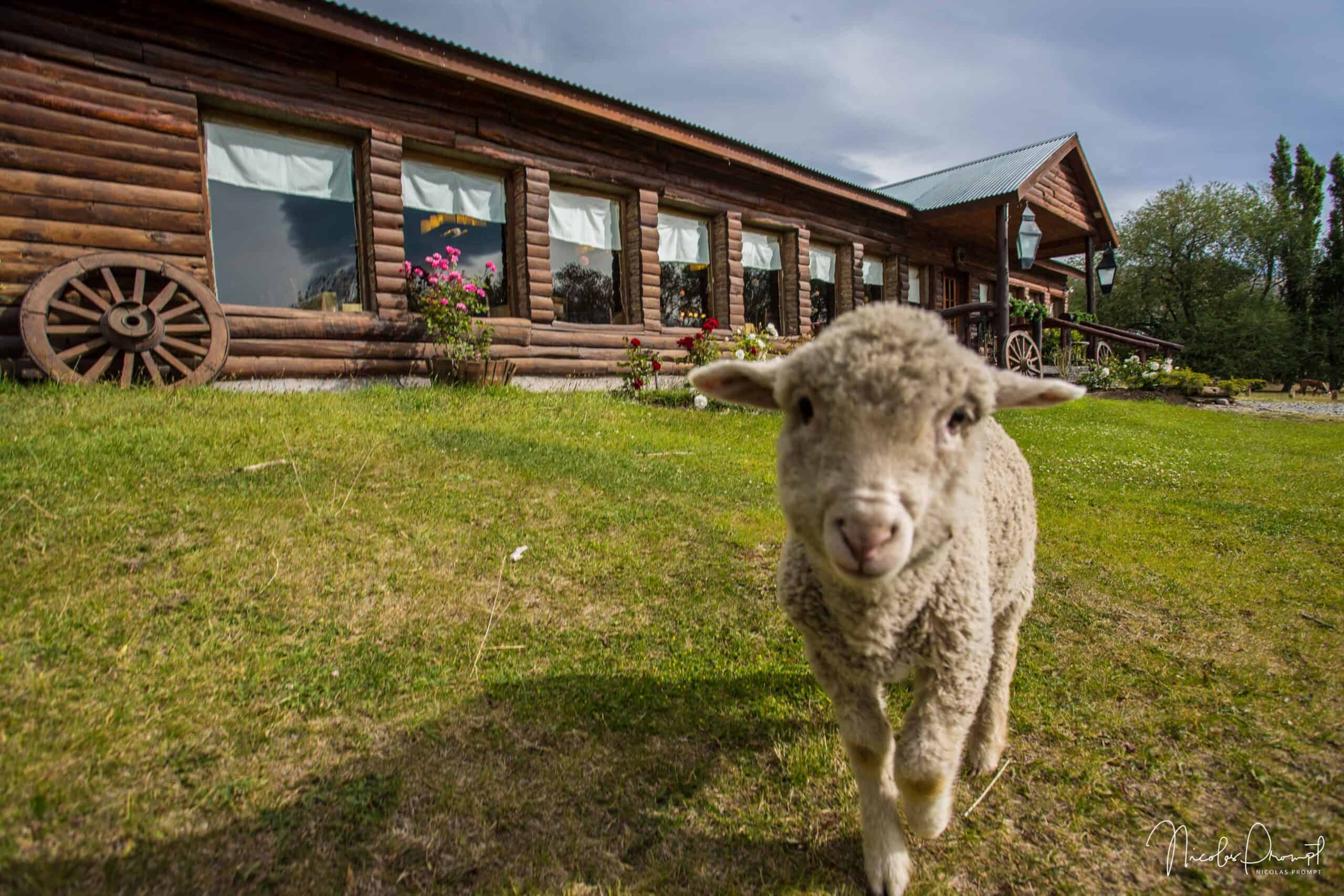
If you ask any local guide in El Chaltén what the best time to visit is, the answer is almost always the same: March and April. The Patagonian autumn completely transforms the park's landscape and offers conditions that simply don't exist at the height of summer.
💡 March and April are the favorite months of the nature photographers who visit El Chaltén. The combination of autumn colors and granite peaks doesn't exist anywhere else in the world at this scale and accessibility.
The colors of the lenga forest
The lenga (Nothofagus pumilio) is a deciduous tree that in autumn shifts from green to a full palette of red, orange and yellow. Since the trails cross lenga forests in their lower sections, hiking in March-April is literally walking through a tunnel of warm colors with the blue-gray granite of Fitz Roy peeking through the trees. It's a visual contrast that doesn't exist in Torres del Paine (which has different vegetation) or in any other Patagonian trekking destination.
Milder wind than in summer
This surprises a lot of people: the Patagonian summer (December-February) has stronger winds than autumn. In March and April the wind is still a factor, but the 80-100 km/h episodes that force trail closures are less frequent. This means more days with open trails and more stable conditions for planning.
Fewer tourists, same experience
In January the village can receive several hundred trekkers per day. In April that drops noticeably. It means shorter lines at the Visitor Center, more silence on the trails, more chances of getting a view of Fitz Roy without dozens of people in the foreground. For those seeking a more authentic mountain experience, autumn is clearly superior.
Season comparison
| Season | Weather | Tourists | Scenery | Price |
|---|---|---|---|---|
| December (high) | 🌤️ Variable, strong wind | 🔴 Very high | Green, long days | 💰💰💰 |
| January–February (peak) | ☀️ Best sun, extreme wind | 🔴 Maximum | Green, long daylight | 💰💰💰💰 |
| March–April ⭐ (autumn) | 🍂 Milder, stable | 🟢 Low | Red and orange | 💰💰 |
| May onward (winter) | ❄️ Cold, snow possible | ⚫ Minimal | Snow, limited services | 💰 |
El Chaltén in one day or staying 1 night — Which is best?
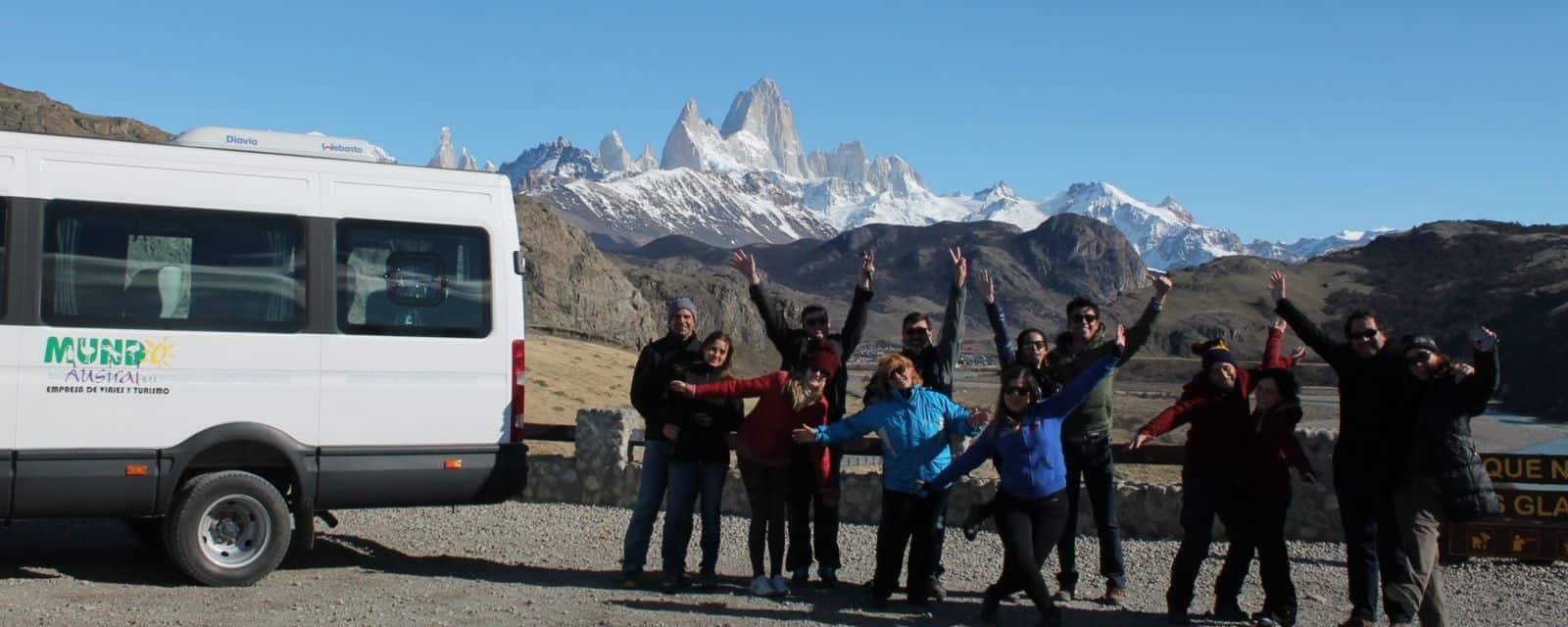
The full day excursion from El Calafate gives you between 6 and 7 hours of free time in El Chaltén. The legitimate question almost everyone asks before booking is: is that enough? The honest answer: it depends on what you want to do.
What can you comfortably do in one day?
- Fitz Roy Viewpoint (5 km, 1.5-2 h): Yes, absolutely. You'll have time to spare for the trail, the village, a beer and some crafts.
- Laguna Torre (18 km, 5-6 h): Yes, with a tight but comfortable schedule. You set off straight from the Visitor Center and get back just in time for the return.
- Laguna de los Tres (25 km, 7-8 h): Technically possible, but rushed. You need to move at a very good pace, with no long breaks at the top, and the margin for error is almost zero.
💡 If you want to hike Laguna de los Tres without rushing and have time to linger at the top, staying 1 night in El Chaltén is the best decision. The full day excursion is perfect if time is limited or if it's your first visit and you want to get to know the place before deciding how many days to dedicate to it.
Who should stay overnight?
If any of the following applies to you, staying one night is clearly the better option:
- You want to hike Laguna de los Tres at a relaxed pace with time at the top.
- You want to do both Laguna Torre and Laguna de los Tres (two full days).
- The weather on the first day is bad and you want a backup day.
- You simply fell in love with the village and don't want to leave — which happens more often than you'd think.
Accommodation in El Chaltén
The village offers accommodation ranging from budget hostels with a trekker vibe to small boutique hotels and B&Bs with breakfast included. There are no big hotel chains: everything is small, local and full of character. Some familiar names are El Relincho, Nothofagus B&B, Hostería Senderos and Rancho Grande Hostel. In high season it's wise to book ahead, since the village's capacity is limited.
Cost comparison: excursion vs. staying over
| Option | What's included | Approx. 2026 cost |
|---|---|---|
| Full Day (excursion) | Transportation + guide. All in 1 day. | $180.000–$220.000 ARS |
| 1 night (bus + hostel) | Bus there (~$15.000), hostel (~$25.000–$50.000), bus back (~$15.000). | $55.000–$80.000 ARS |
| 1 night (B&B hotel) | Bus there, hotel with breakfast, bus back. | $90.000–$140.000 ARS |
Returning independently by bus
If you stay a night, the return to El Calafate is by regular scheduled bus: Chaltén Travel and Cal Tur run several departures per day (morning, midday and afternoon). The trip takes approximately 3 hours. El Chaltén's bus terminal is small, on Güemes street, and in high season it's wise to buy your return ticket the same day you arrive to secure a seat.
What to do in El Chaltén in 3 days? — Recommended itinerary
If you have more than one day in El Chaltén, this is how the local guides recommend organizing it. The key is to save the days with the best forecast for the most demanding trails:
Day 1 — Laguna Torre
Start with Laguna Torre (18 km, 5-6 hours): it has less elevation gain than Laguna de los Tres and is ideal for getting your legs used to the Patagonian terrain. The trail crosses lenga forests, passes a couple of viewpoints and ends at the glacial lake at the foot of Cerro Torre. If you have energy left, extend 2 km more to the Mirador Maestri for direct views of the Torre glacier from above. Total with the Maestri: about 24 km and 8-9 hours.
Day 2 — Laguna de los Tres (Fitz Roy)
The big day. Set off early (ideally before 8:00 AM) to reach the top between 1:00 and 2:00 PM — the best light for Fitz Roy. The first 9 km are gentle through the forest to the Río Blanco camp; the last kilometer climbs a steep 400 meters. The reward: a turquoise lake with Fitz Roy right in front of you. Set aside at least 30-45 minutes at the top before heading down.
⚠️ Tip: If the Day 2 forecast calls for strong wind or heavy rain, swap the days: hike Laguna de los Tres when the weather is better and Laguna Torre on the more unsettled day (the Torre trail has more sections sheltered by the forest).
Day 3 — Viewpoints, rest and the village
The third day is for resting your legs and enjoying the village at your own pace. An afternoon walk up to the Los Cóndores and Las Águilas viewpoints (2-3 hours total) gives you the best panorama of El Chaltén with Fitz Roy in the background — ideal for closing the trip with an epic photo. Afterwards: a craft brewery, a chocolate shop, crafts, and the feeling of having squeezed every drop out of the Trekking Capital.
💡 If you have more than 3 days, add Loma del Pliegue Tumbado (southern trail, fewer tourists, 360° views) and/or an excursion to Lago del Desierto (requires a transfer, you see Fitz Roy from the Chilean side). Two extra days well spent.
Practical tips before you go — What's not in the guidebook
The Los Glaciares National Park entrance fee is paid upon arrival in El Chaltén. In 2026 the fee for foreign visitors is approximately $50.000 ARS per person (Argentine residents pay a reduced rate). Bring cash in pesos to pay it — there isn't always a card reader at the entrance.
Where to stay in El Calafate: Apart Mundo Austral
Brand-new apartments in the heart of El Calafate. Full kitchen, WiFi, Smart TV + Netflix, central heating and free private parking. 3-night minimum. From $50.000 ARS/night (up to 2 people).
By staying with Mundo Austral you can book your excursions directly with the agency — no middlemen, at the best price.
See the Apart and availability → 📱 Ask on WhatsApp
Packages and combos that include El Chaltén
If you already know you'll visit the Perito Moreno Glacier in addition to El Chaltén, Mundo Austral's packages let you combine everything and save. The following packages include El Chaltén:
Frequently asked questions
Ready to conquer Fitz Roy?
Book your El Chaltén Full Day trip with El Calafate's local specialists. Limited spots per vehicle — secure your place.