Restrictions in Los Glaciares National Park
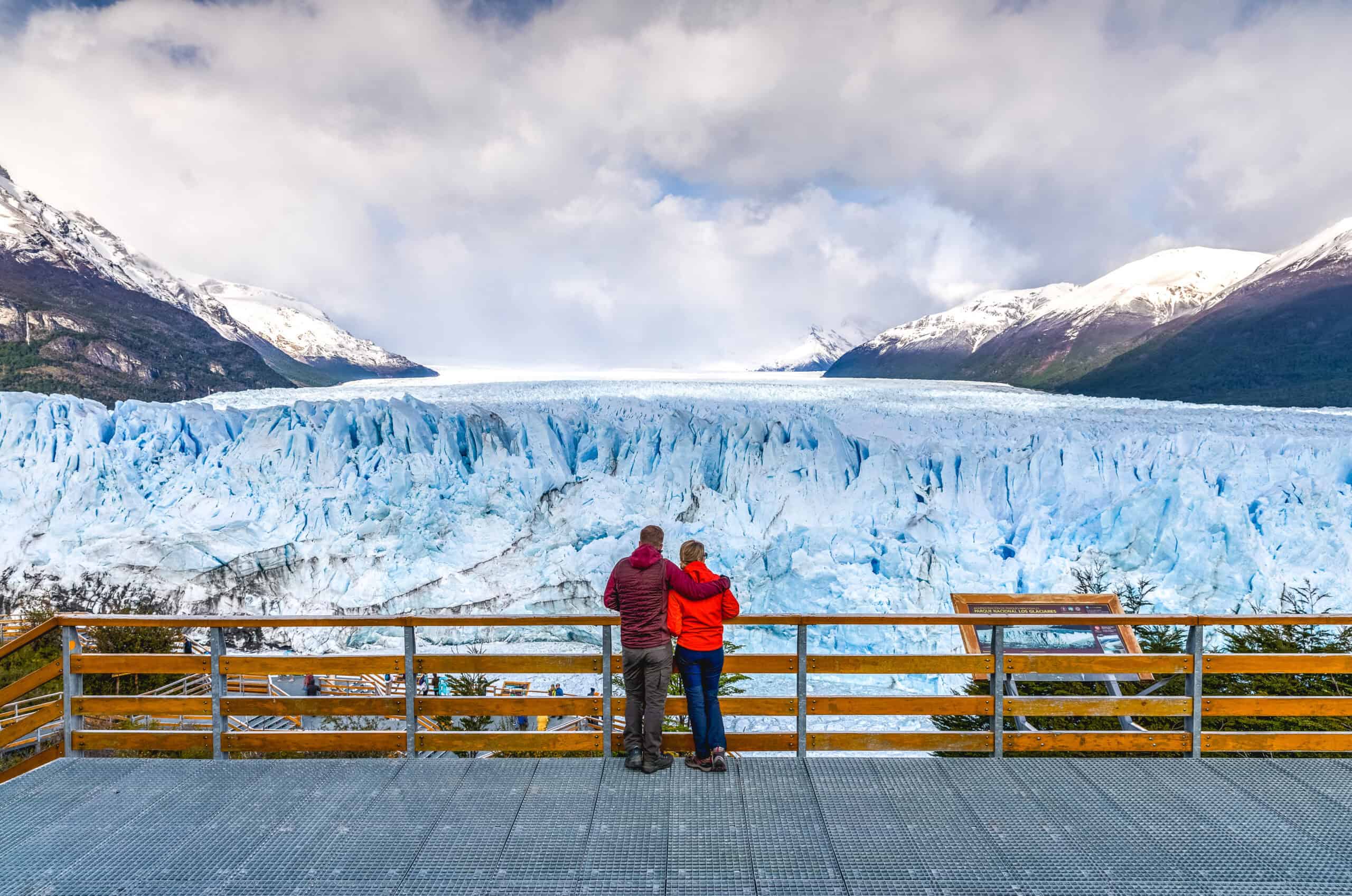
The single most important thing to know before traveling to El Calafate with your dog is that pets are not allowed inside Los Glaciares National Park. This includes the Perito Moreno Glacier area and all of the park's trails.
The restriction exists to protect native wildlife: the guanaco, the puma, the condor and other species that live in the park could be disturbed or put at risk by the presence of pets. The rule is strict and park rangers enforce it.
If you plan to visit the Perito Moreno Glacier and you are traveling with your dog, you will need someone to stay with them outside the park or hire a dog boarding/daycare service. There are no exceptions to this rule, not even for small dogs carried in your arms or in a bag.
The Patagonian weather and your dog
El Calafate's weather is one of the things that surprises travelers with pets the most. Temperatures can swing dramatically throughout the day, and the Patagonian wind — which can exceed 80 km/h (50 mph) at any time of year — makes it feel far colder than the actual temperature.
Temperatures by season
- Summer (Dec–Mar): 8°C to 22°C (46°F to 72°F). Days can be pleasant, but the wind is intense. This is the best time of year to travel with dogs.
- Fall (Apr–May): 2°C to 12°C (36°F to 54°F). Changeable weather, with the first snowfalls possible in May. Bring a coat for your dog if it is a short-haired breed.
- Winter (Jun–Aug): -5°C to 5°C (23°F to 41°F). Frequent snow. For short-haired breeds or dogs without a double coat, this is a demanding season.
- Spring (Sep–Nov): 0°C to 15°C (32°F to 59°F). Unpredictable weather — it can snow and turn warm on the same day.
The wind in El Calafate is not like the wind in other cities. With gusts that can exceed 80 km/h (50 mph), it can be disorienting and uncomfortable for dogs. Dogs with long ears or long coats may find it especially bothersome. Plan outdoor outings for the calmest hours of the day (usually early morning).
Pet-friendly accommodations in El Calafate
The range of pet-friendly accommodations in El Calafate has grown in recent years, though it is still wise to confirm the pet policy before booking. Some hotels accept small dogs but not large ones, others charge an extra fee, and some do not accept pets at all.
When looking for a place to stay, ask specifically:
- Do you accept dogs of any size?
- Is there an additional pet fee?
- Can the dog stay alone in the room?
- Do you have a yard or green areas where the dog can relieve itself?
What you can do with your dog in El Calafate
Although the National Park is off-limits to pets, there are plenty of activities and places where you can enjoy the destination together with your dog:
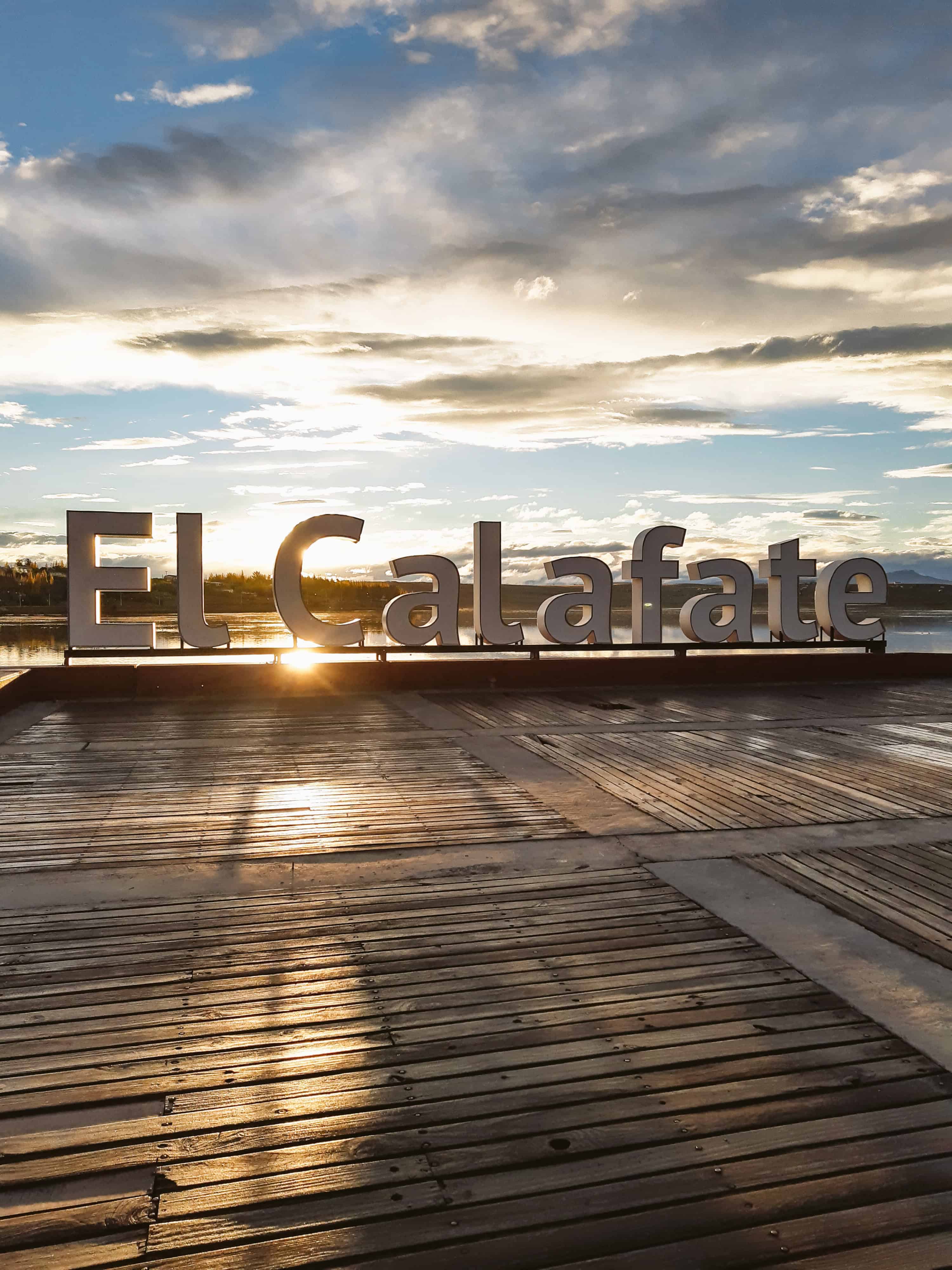
- The Lago Argentino waterfront: El Calafate's lakeside promenade allows dogs on a leash. The lake views are incredible and the terrain is accessible for all breeds.
- Hikes on the nearby hills: there are trails outside the National Park where dogs are allowed. Ask at the local tourism office which specific trails are suitable.
- Laguna Nimez: this bird reserve at the entrance to El Calafate does not allow pets, to protect the birds that nest there. It is important to know this before you arrive.
- The surrounding countryside: the open steppe areas outside the park are ideal for long walks with dogs — always on a leash, though, given the presence of guanacos and other wild species.

Veterinary care and health
El Calafate has basic veterinary services, but in the event of a complex emergency you may need to travel to a larger city such as Río Gallegos. That is why it is important to:
- Bring your dog's complete, up-to-date vaccination record (rabies especially).
- Keep your pet's regular medications on hand.
- Check with your veterinarian before the trip if your dog has any health condition that could be affected by the cold or the wind.
- Save the local veterinary clinic's phone number before you arrive.
✅ Must-pack checklist if you are traveling with your dog
- Up-to-date vaccination record
- Internal and external parasite treatments up to date
- A coat suited to the climate (for short-haired breeds)
- Basic first-aid kit (gauze, antiseptic, antihistamine)
- Water and a portable bowl for outings
- A wind-resistant leash
- Local veterinary clinic's number saved in your phone