
Patagonian lamb: the must-try dish
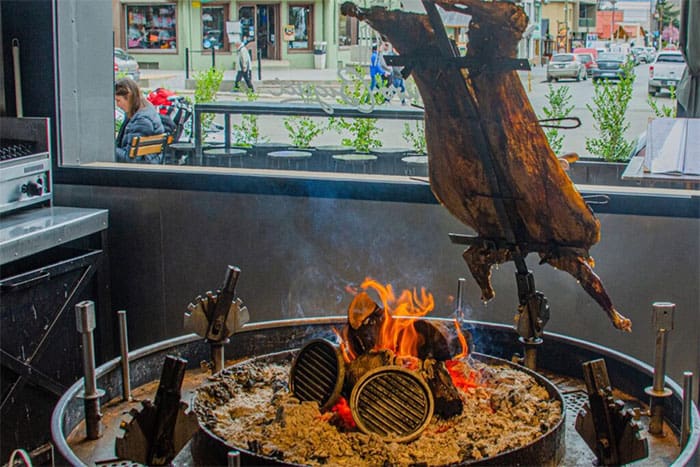
If there is one single dish you have to try in El Calafate, it's the spit-roasted cordero patagónico (Patagonian lamb). Lamb from Patagonia is unlike any other: the animals roam free across the steppe, grazing on wild grasses and herbs, and that diet imparts a unique flavor that simply can't be replicated anywhere else.
The traditional preparation is slow-roasted on an open wood-fire spit for several hours. The result is meat so tender it practically falls apart, with a golden, seasoned outer crust. Some restaurants also serve it baked in a clay oven or "a la patagónica" (slow-cooked in a covered vessel).
Lambs on the Patagonian steppe walk up to 10 km (6 miles) a day in search of pasture. The constant exercise and wild forage produce meat that is leaner, more flavorful and more aromatic than intensively farmed lamb. It's a product with a truly unique geographic identity.
Wild berries and regional sweets
Patagonia is wild berry country: calafate berries, blackberries, raspberries, strawberries and chauras. These fruits — which grow in the sub-Antarctic forests and along the lakeshores — inspire a whole line of artisan products that rank among the most sought-after edible souvenirs for travelers.
Calafate: the berry with a legend
The calafate berry is the fruit that gives the town its name. Deep blue and slightly tart, it's the base of the famous calafate liqueur. Legend has it that whoever tastes the calafate berry will always return to Patagonia. You'll find jams, filled chocolates and liqueurs in nearly every shop downtown.
Artisan Patagonian chocolates
Patagonia's chocolate-making tradition runs strong in El Calafate. Artisan chocolate shops offer bars studded with wild berries, fillings of Patagonian dulce de leche and versions spiced with herbs from the steppe. An ideal gift to bring back home.
Regional jams and preserves
Artisan raspberry, blackberry and calafate jams are an iconic regional product. The best ones come from small local producers and are sold at fairs, producers' shops and a few specialty supermarkets.
Patagonian craft beer
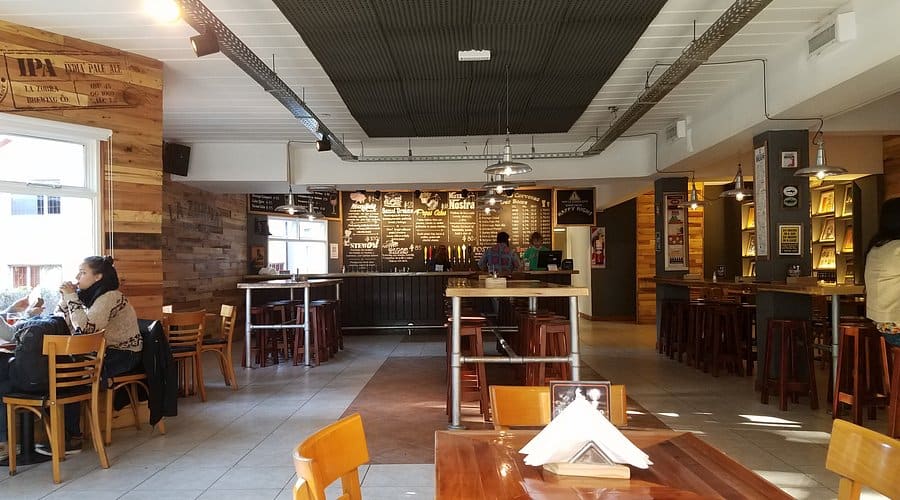
Craft beer culture in Patagonia has grown significantly in recent years. El Calafate has its own craft brews made with glacial meltwater and, in some cases, local ingredients like calafate berries or rosehip.
Amber Ale, IPA and Stout are the most common styles on the local scene. Many downtown restaurants serve draft Patagonian craft beer brewed locally or in the region.
Dining at the estancias
One of El Calafate's most authentic dining experiences isn't found in any downtown restaurant: it's at the Patagonian estancias (historic ranches) on the outskirts of town. At these estancias you can taste lamb cooked out in the countryside, gaucho-style, with salads from their own gardens and long after-dinner conversation around the fire.
The estancia experience blends food with history, landscape and gaucho culture. It's one of the activities most treasured by travelers who visit El Calafate and want to go beyond the conventional tourist circuit. Many pair these tastings with the excursions in El Calafate during their stay.
🥗 What else should you try? Patagonian salmon, river-caught rainbow trout, spit-roasted chivito (young goat) and artisan sheep's-milk cheeses are other local products well worth seeking out on the menus of the best downtown restaurants.
Tips for eating well in El Calafate
- Book a table at popular restaurants. In high season, downtown restaurants fill up fast. Reserving ahead — especially for dinner — saves you long waits.
- Libertador Avenue is the culinary heart of town. Most restaurants, bars and chocolate shops are on or near this main street.
- Lunch is usually cheaper. Many restaurants offer midday set menus that are more affordable than à la carte dinners.
- Buy sweets and chocolates straight from the producer. Local producers' shops usually have better prices and more variety than souvenir stores.
- Try the Patagonian breakfast. Breakfasts at guesthouses and boutique hotels often include artisan bread, local jams and homemade cakes that are an experience in themselves.