What is the weather like in El Calafate?
El Calafate sits in the heart of the Patagonian steppe, on the shores of Lago Argentino and close to the continental ice fields. That defines its climate: cold, dry and very windy for most of the year. The average annual temperature hovers around 7°C, with extremes ranging from about -6°C in the depths of winter to around 18-19°C in summer.
Three things every traveler needs to understand before coming:
- The wind rules. The wind chill often makes it feel considerably colder than the actual temperature.
- There's a wide temperature swing. It can be freezing at dawn, warm up at midday under the sun, and drop again as soon as it clouds over or the wind picks up.
- The sun is intense even when it's cold. Sunscreen is a must all year round.
The golden rule: dress in layers and come prepared for "four seasons in a single day."

Month-by-month temperatures in El Calafate
| Month | High | Low | What it's like |
|---|---|---|---|
| January | 19°C | 6°C | Summer, very windy, high season |
| February | 18°C | 6°C | Similar to January, ideal for excursions |
| March | 15°C | 4°C | Fall, golden colors, fewer crowds |
| April | 11°C | 2°C | Cool, yellow and red forests |
| May | 6°C | -1°C | Cold, low season begins |
| June | 4°C | -4°C | Winter, snow-covered glacier without crowds |
| July | 3°C | -5°C | The coldest month, frequent snow |
| August | 6°C | -3°C | Cold, days start getting longer |
| September | 11°C | 0°C | Spring, strong winds |
| October | 14°C | 2°C | Thaw, everything reopens |
| November | 16°C | 4°C | Great weather, fewer people than January |
| December | 18°C | 5°C | High season kicks off |
Historical average temperatures (Argentina's National Weather Service, SMN, 1991–2020 period). The wind can make it feel several degrees colder than the actual temperature.
The weather in El Calafate, month by month
If you're after the weather for a specific month to plan your trip, here's the breakdown for each one:
Weather in El Calafate in January: peak summer, high ~19°C and low ~6°C. It's the windiest month of the year (average wind ~18 km/h) and the one with the most daylight (up to 16-17 h). High season: lots of sun, very high UV radiation and every excursion running.
Weather in El Calafate in February: similar to January, high ~18°C and low ~6°C. Still full summer and ideal for excursions; toward the end of the month the crowds start to ease off a bit. It coincides with the Lago Argentino National Festival.
Weather in El Calafate in March: fall begins, high ~15°C and low ~4°C. The wind eases, the golden colors appear and there are fewer tourists. One of the loveliest and quietest months.
Weather in El Calafate in April: cool fall, high ~11°C and low ~2°C. Yellow and red forests, shorter days and the start of the low season. Good, stable weather for walking.
Weather in El Calafate in May: cold, high ~6°C and low below zero (~-1°C). The tourist winter begins, with lower prices and a quiet glacier. The National Park switches to reduced hours.
Weather in El Calafate in June: winter, high ~4°C and low ~-4°C. Snow-covered glacier without crowds and about 8-9 h of daylight. It can snow, and the road to Perito Moreno may require chains.
Weather in El Calafate in July: the coldest month of the year. According to the SMN, the average low is -4.4°C and the high 5.2°C, with an all-time record of -17.4°C (July 2014) and about 5 days of snowfall. White landscape, and it coincides with the winter school holidays.
Weather in El Calafate in August: still cold, high ~6°C and low ~-3°C, but the days are already starting to get longer. Snow is still possible and it's a good month to see the glacier without crowds.
Weather in El Calafate in September: spring, high ~11°C and low ~0°C. Strong winds and the early thaw; activities gradually reopen. Isolated snowfalls are still possible.
Weather in El Calafate in October: full spring, high ~14°C and low ~2°C. Everything reopens, the days grow longer and there's good weather with fewer people than in January. A great time to travel.
Weather in El Calafate in November: high ~16°C and low ~4°C. One of the best months: good weather, long days, all excursions running and fewer crowds than in the height of summer.
Weather in El Calafate in December: high season kicks off, high ~18°C and low ~5°C. Extremely long days (up to ~16 h 25 min on December 21) and the start of summer. Book in advance.
The 4 seasons in detail
☀️ Summer (Dec – Feb)
- The most pleasant temperatures of the year
- Extremely long days (up to 17 h of daylight)
- All excursions running
- High season: more crowds and higher prices
- Book well in advance
🍂 Fall (Mar – May)
- Yellow, orange and red forests
- Fewer people and lower prices
- March still warm; May already cold
- Some activities close in late May
❄️ Winter (Jun – Aug)
- Snowy landscape, glacier without crowds
- Only ~8-9 h of daylight per day
- Very low wind chill due to the wind
- Some activities limited by season
- Low prices and a quiet town
🌱 Spring (Sep – Nov)
- Thaw, greenery and flowers
- All excursions back in operation
- Strong winds, especially in spring
- Nov: great balance (good weather, fewer people)
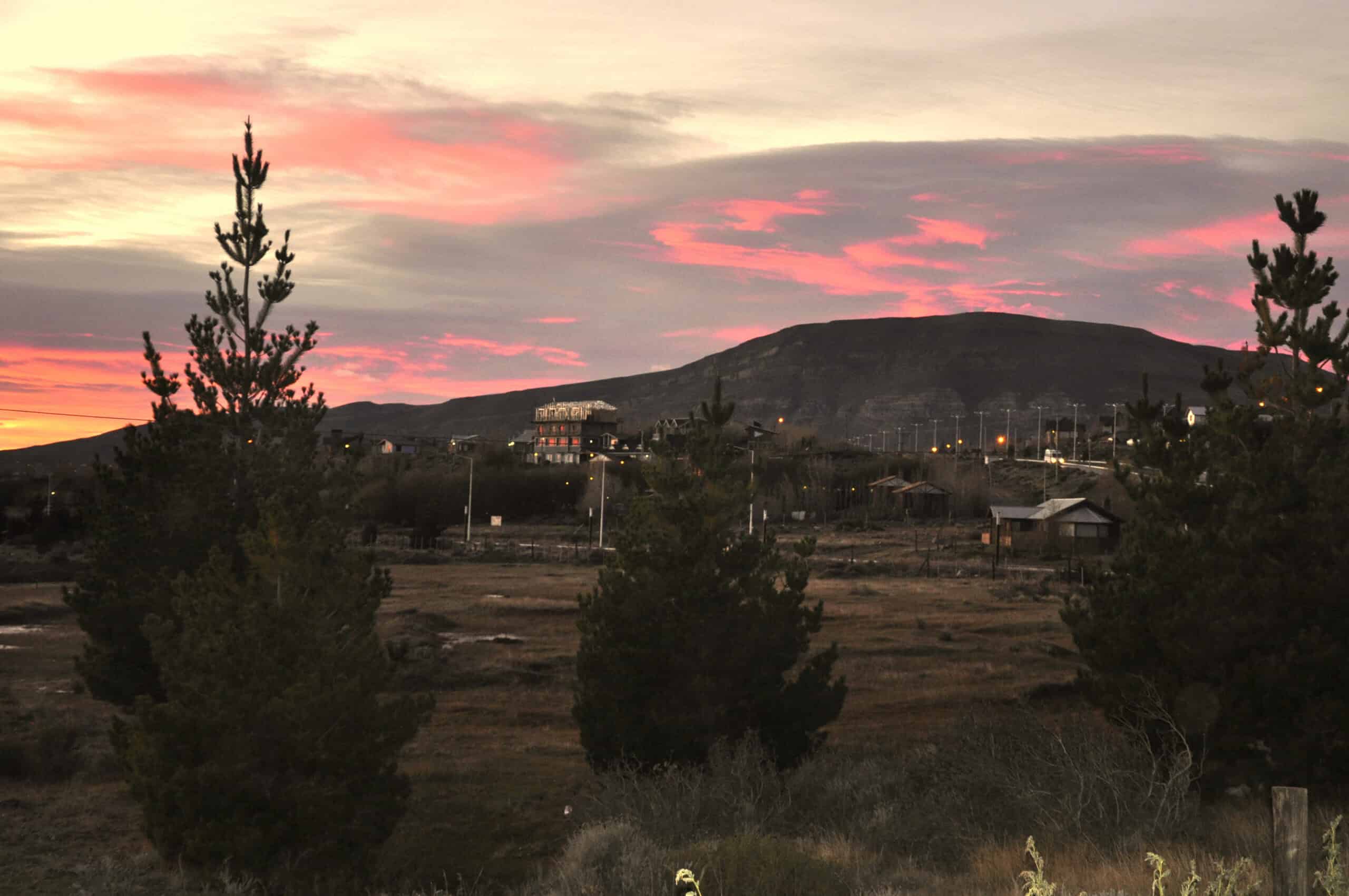
Our advice after 25 years here: late October and November are among the best times of the year. All excursions are already running, the days are long, the weather cooperates, and you don't yet have January's crowds or prices.
Daylight hours by month (key in Patagonia)
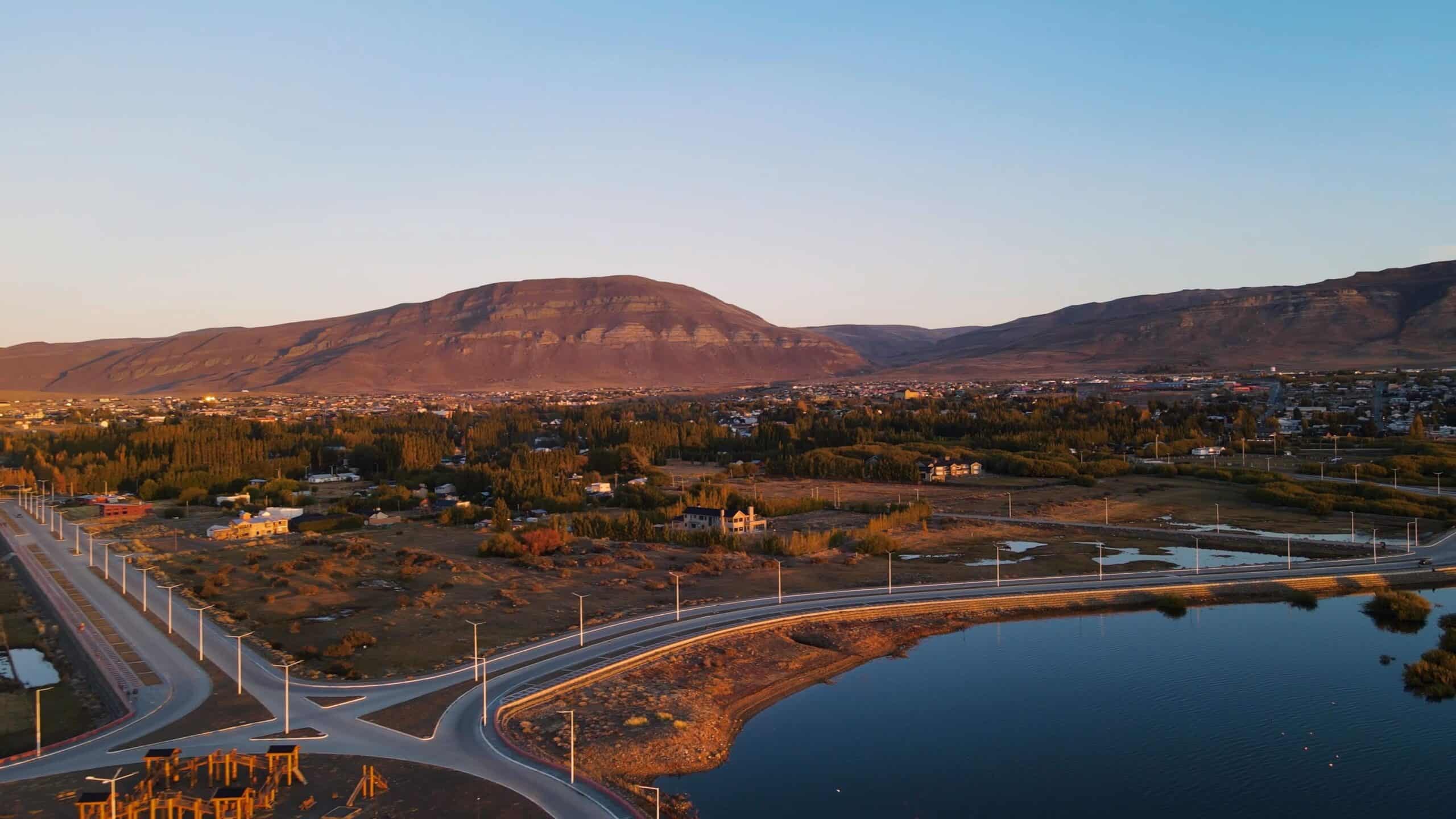
One of the great advantages of the Patagonian summer: the days are extremely long. That lets you fit in more activities and make the most of every day. In winter, the opposite happens.
| Time of year | Daylight hours | Sunrise / Sunset (approx.) |
|---|---|---|
| December – January (summer) | ~17 h | 5:30 am – 10:30 pm |
| February | ~15 h | 6:30 am – 9:30 pm |
| March / September (equinoxes) | ~12 h | 7:30 am – 7:30 pm |
| April – May | ~10 h | 8:30 am – 6:30 pm |
| June – July (winter) | ~8-9 h | 9:30 am – 6:00 pm |
| October – November | ~14-15 h | 6:00 am – 9:00 pm |
In the height of summer, the sun sets after 10 pm: you can finish an excursion and still go for a walk along the lakefront in daylight.
The Patagonian wind and sun
The wind
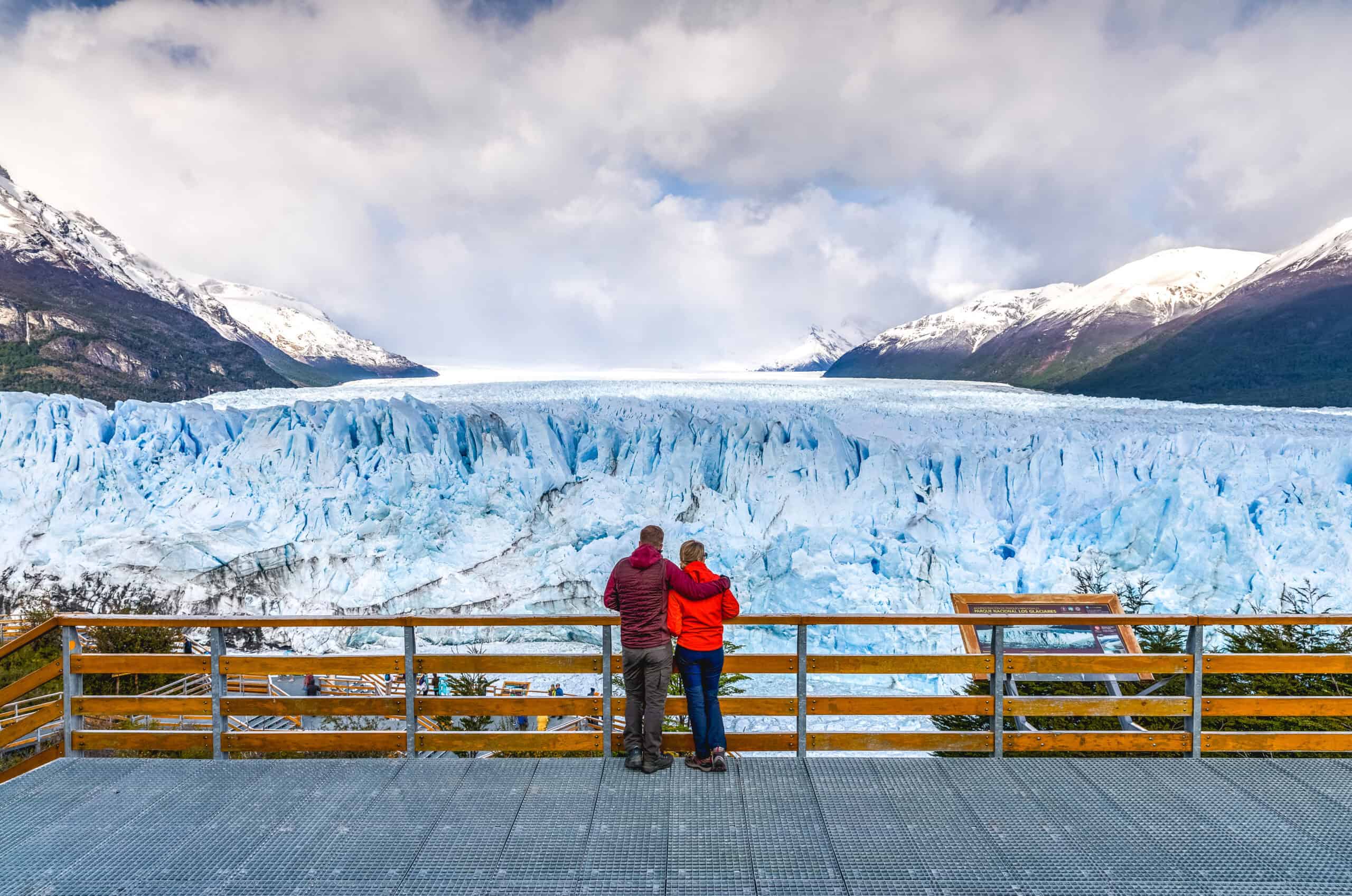
The wind is Patagonia's trademark. It blows from the west and southwest, and it's strongest and most intense in spring and summer. On the Perito Moreno Glacier walkways and on the boat cruises it can be truly powerful. The wind chill drops significantly: a 15°C day with wind feels like 5°C.
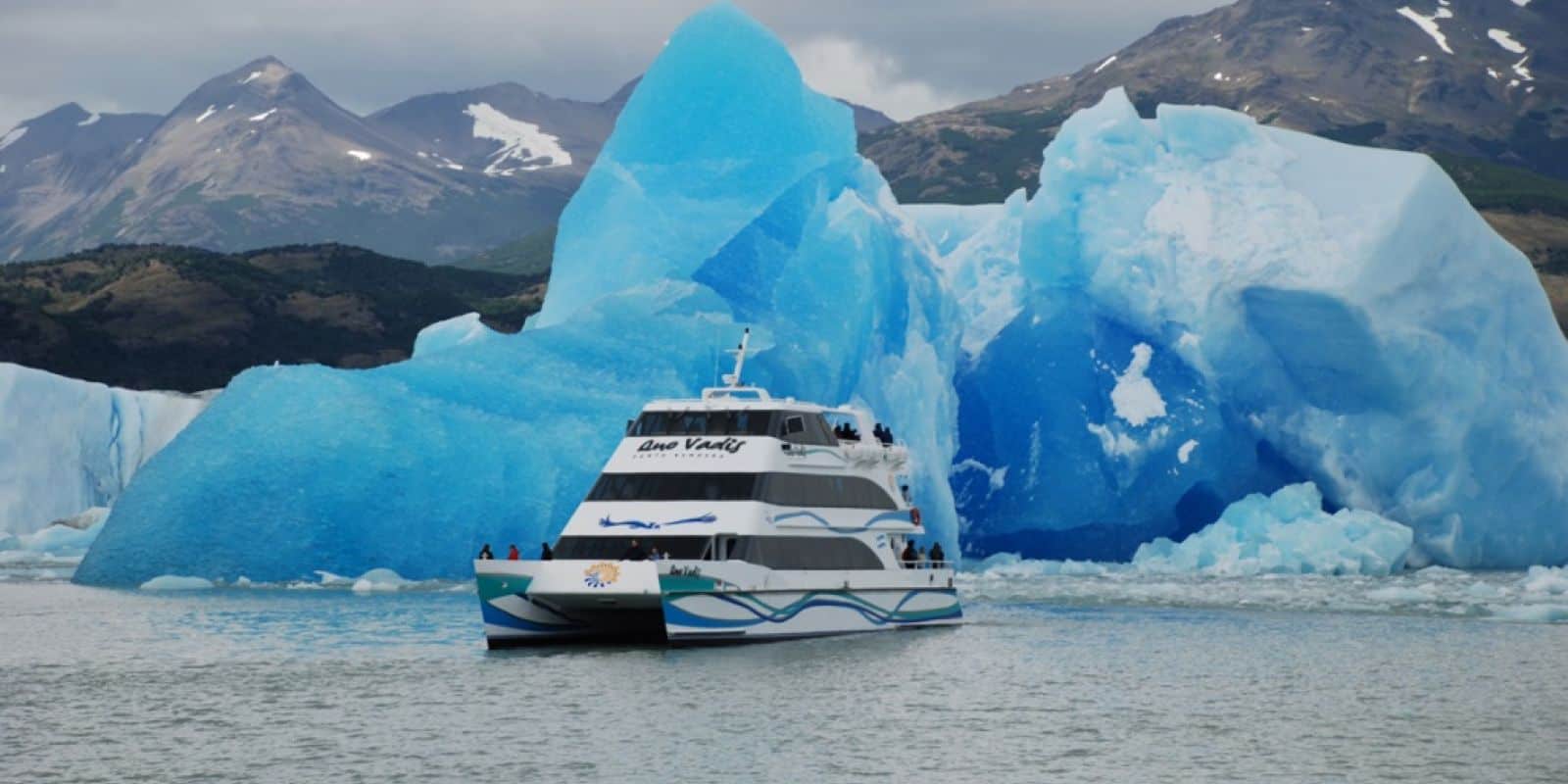
⚠️ Don't underestimate the wind. Caps, hats and lightweight items can fly away. Bring a snug-fitting hat and sunglasses with a strap, especially for the glacier and the boat cruises.
The sun
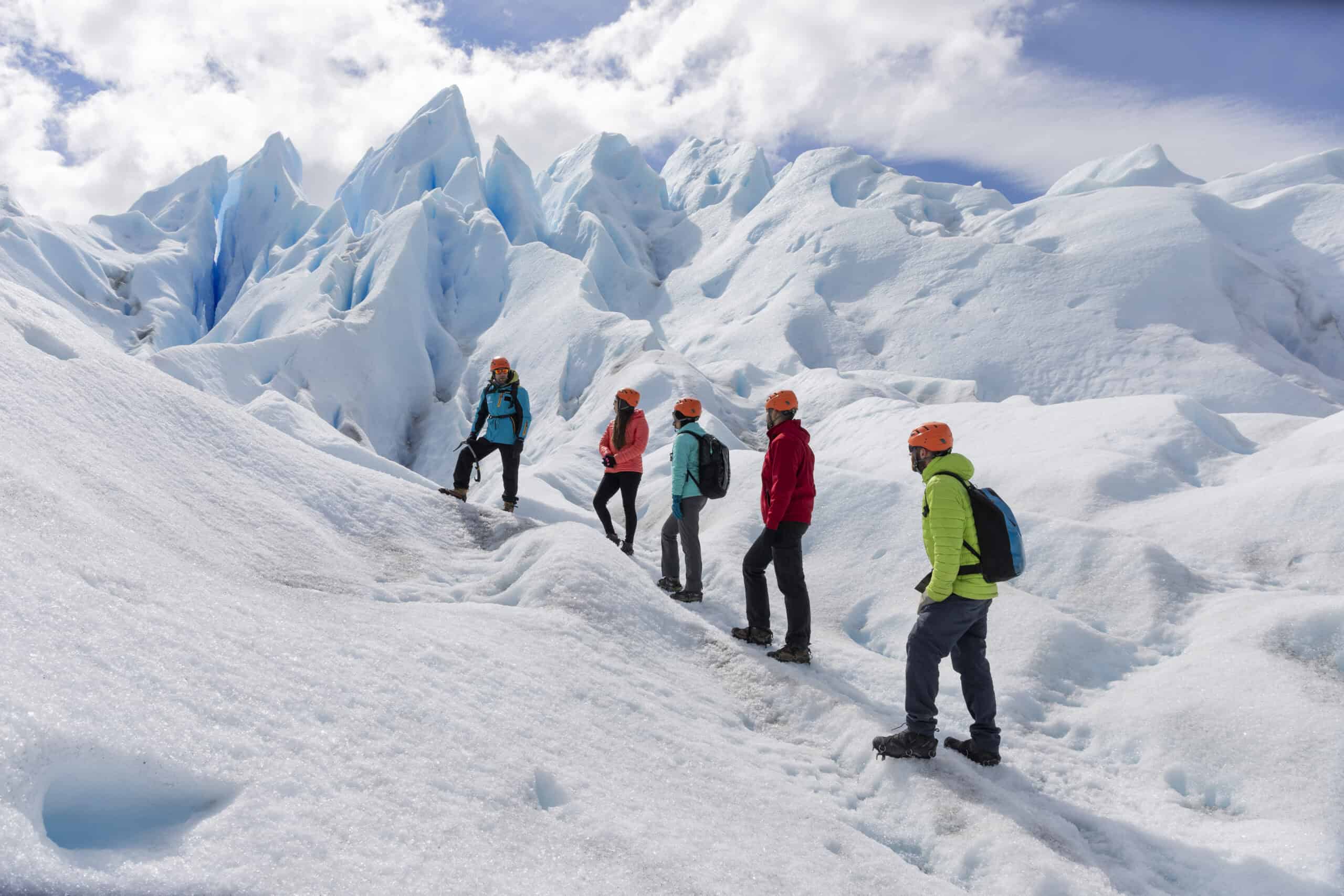
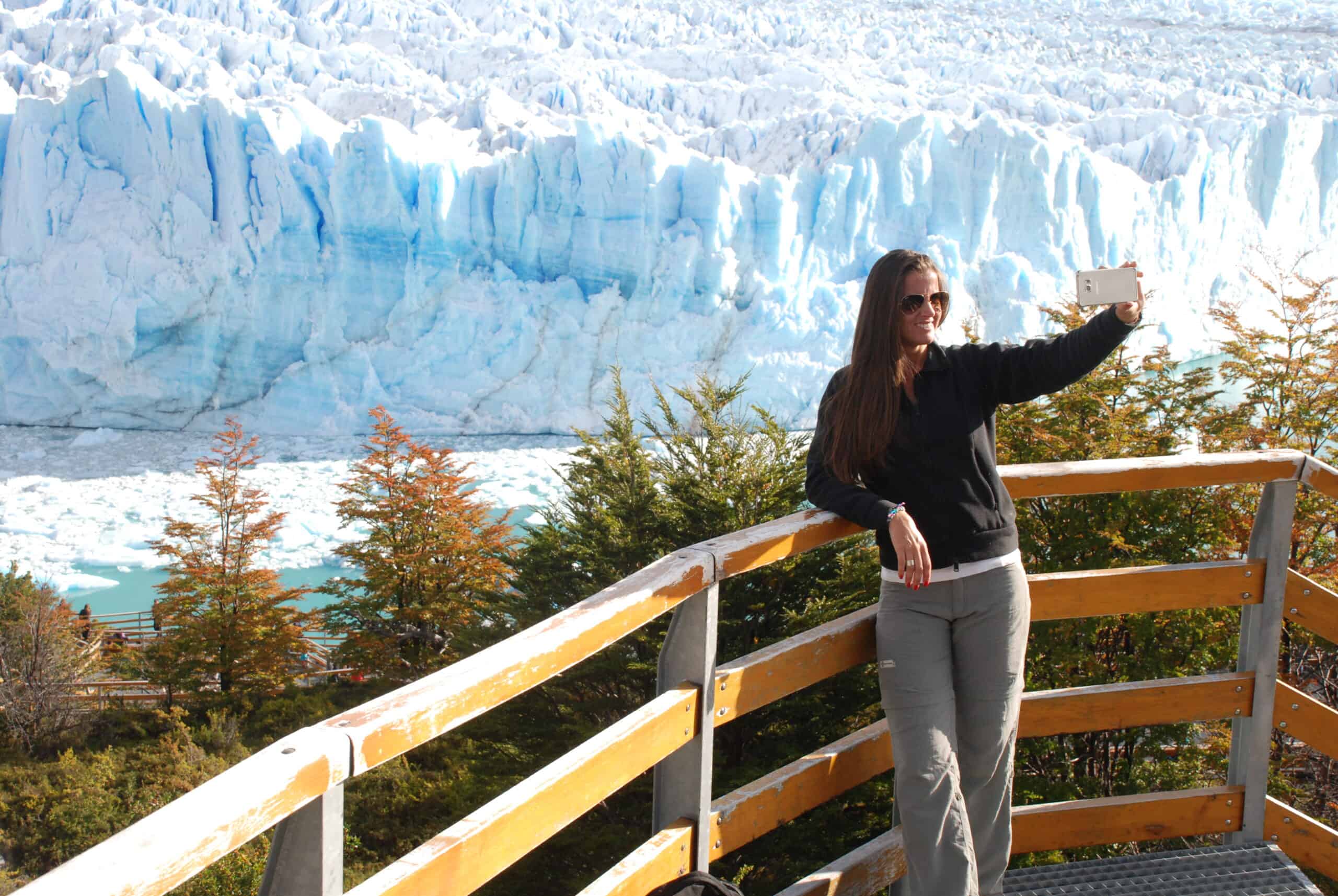
The Patagonian sun is intense even in cold weather and on cloudy days. The UV index can be high in summer. SPF 50+ sunscreen and UV-protection sunglasses are a must all year round, especially near the ice, which reflects the radiation.
The best time based on what you're looking for
There's no single "best time": it depends on your priorities. Here it is, organized by goal:
- Best weather with everything open: December to February (summer).
- Good weather with fewer crowds and better prices: November, March and early April.
- Fall colors for photos: April.
- The glacier covered in snow and without crowds: June to August (winter).
- Longer days to fit in more activities: December and January.
- Tight budget: low season (May to September).
👉 We go deeper into this in our guide to the best time to visit El Calafate.
What to pack for each season
Whatever the time of year, the foundation is the same: layers. Then you adjust for the season.
Year-round (must-have basics)
Clothing
- Waterproof windbreaker jacket with a hood
- Thermal base layers (even in summer)
- Fleece or wool sweater
- Comfortable hiking pants
- Footwear with good grip
Accessories
- Hat and gloves (always)
- Scarf or fleece neck gaiter
- SPF 50+ sunscreen
- Sunglasses with UV protection
- Small backpack for excursions
In winter, add
- Warm, waterproof snow jacket
- Waterproof pants
- Waterproof boots and thermal socks
- Second thermal layer (top and bottom)

Weather at Perito Moreno Glacier vs in town
At Perito Moreno Glacier it's usually 5 to 8°C colder than in El Calafate, with more wind and humidity due to the proximity of the ice. Even if you leave your hotel under sunny skies, always bring an extra layer for the glacier. The same goes for the boat cruises on Lago Argentino, where the wind over the water really bites.
El Chaltén, about 3 hours away, has a similar but mountain climate: more unstable, with Fitz Roy hidden behind clouds a good part of the time.
Practical tips before you travel
- Confirm your excursions the day before: wind and clouds can cause reschedulings, especially for the boat cruises.
- Leave a buffer day in your itinerary in case the weather forces you to move an excursion.
- Book in advance: in high season, accommodation and excursions sell out. Ideally book 1 to 3 months ahead.
- Travel insurance: since 2024 it's mandatory for foreign visitors entering Argentina.
- Los Glaciares National Park entrance fee: paid separately and not included in the excursions.
Temperatures and data based on historical averages and local climate sources. For the exact forecast for your dates, check the live weather widget at the top of this page, which shows El Calafate several days out.