Glaciers and Los Glaciares National Park
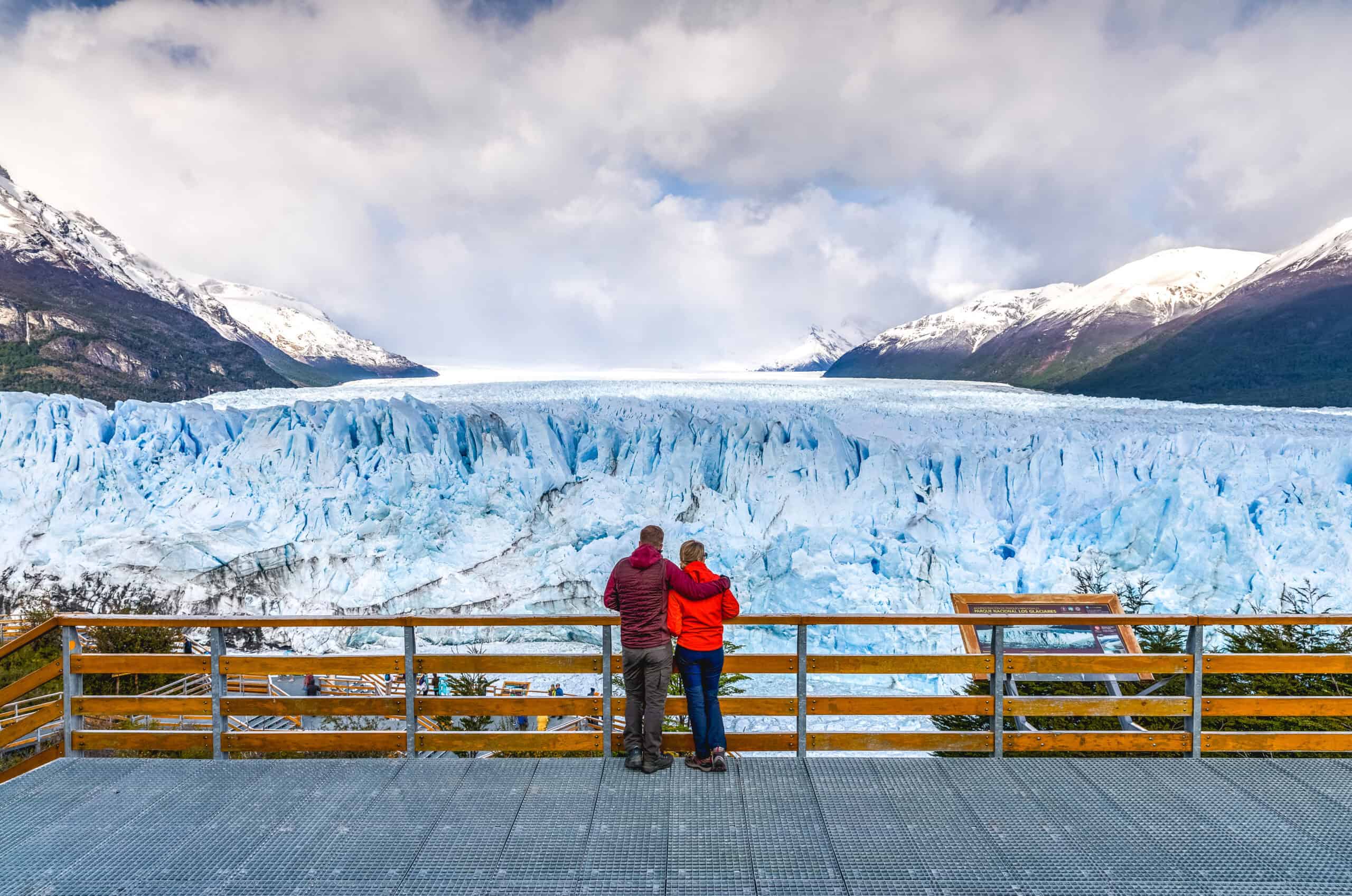
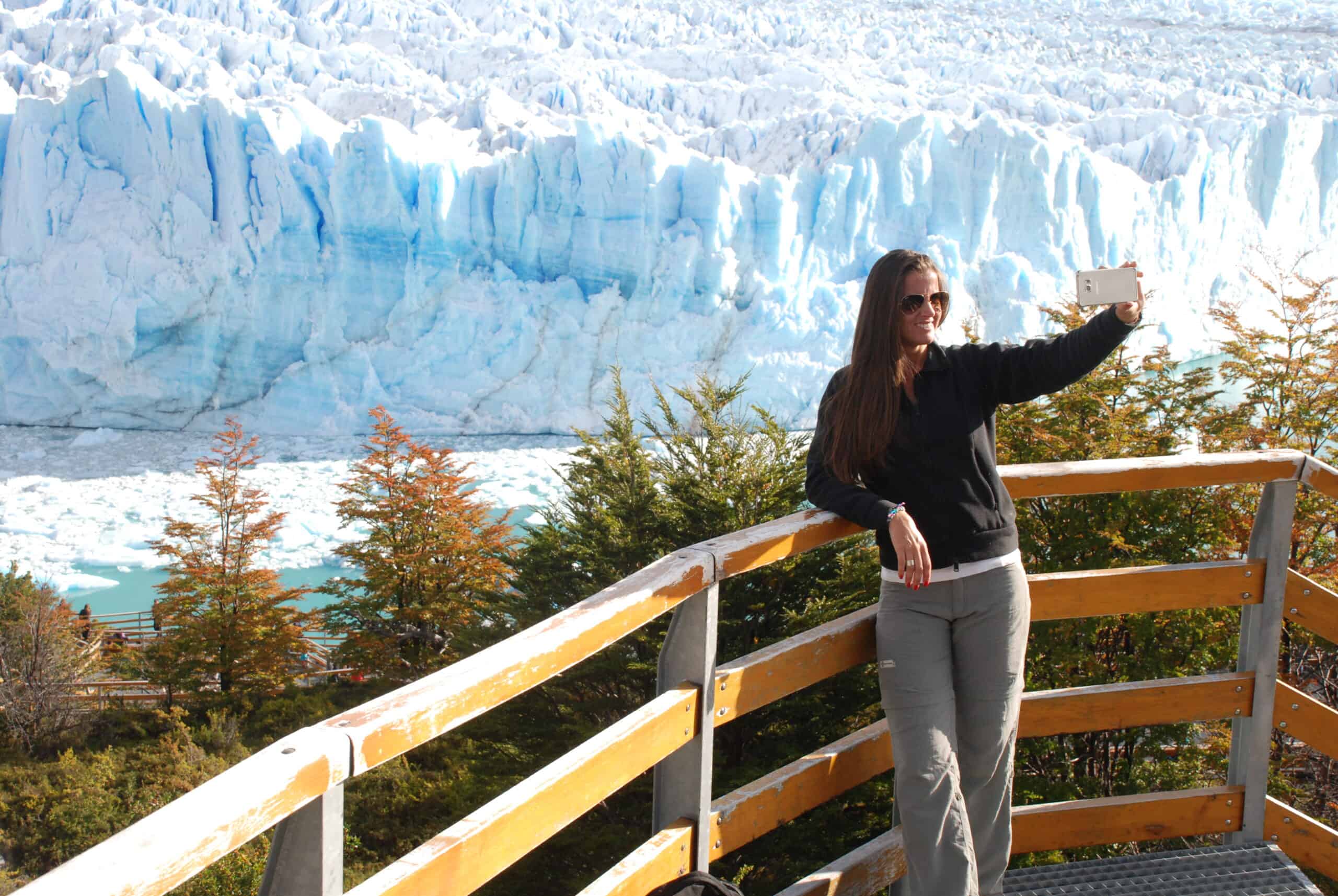
Los Glaciares National Park is Santa Cruz's top tourist attraction and one of the most visited destinations in Argentina. Declared a UNESCO World Heritage Site in 1981, it is home to the Perito Moreno Glacier — the most spectacular accessible glacier on the planet — along with 47 other smaller glaciers.
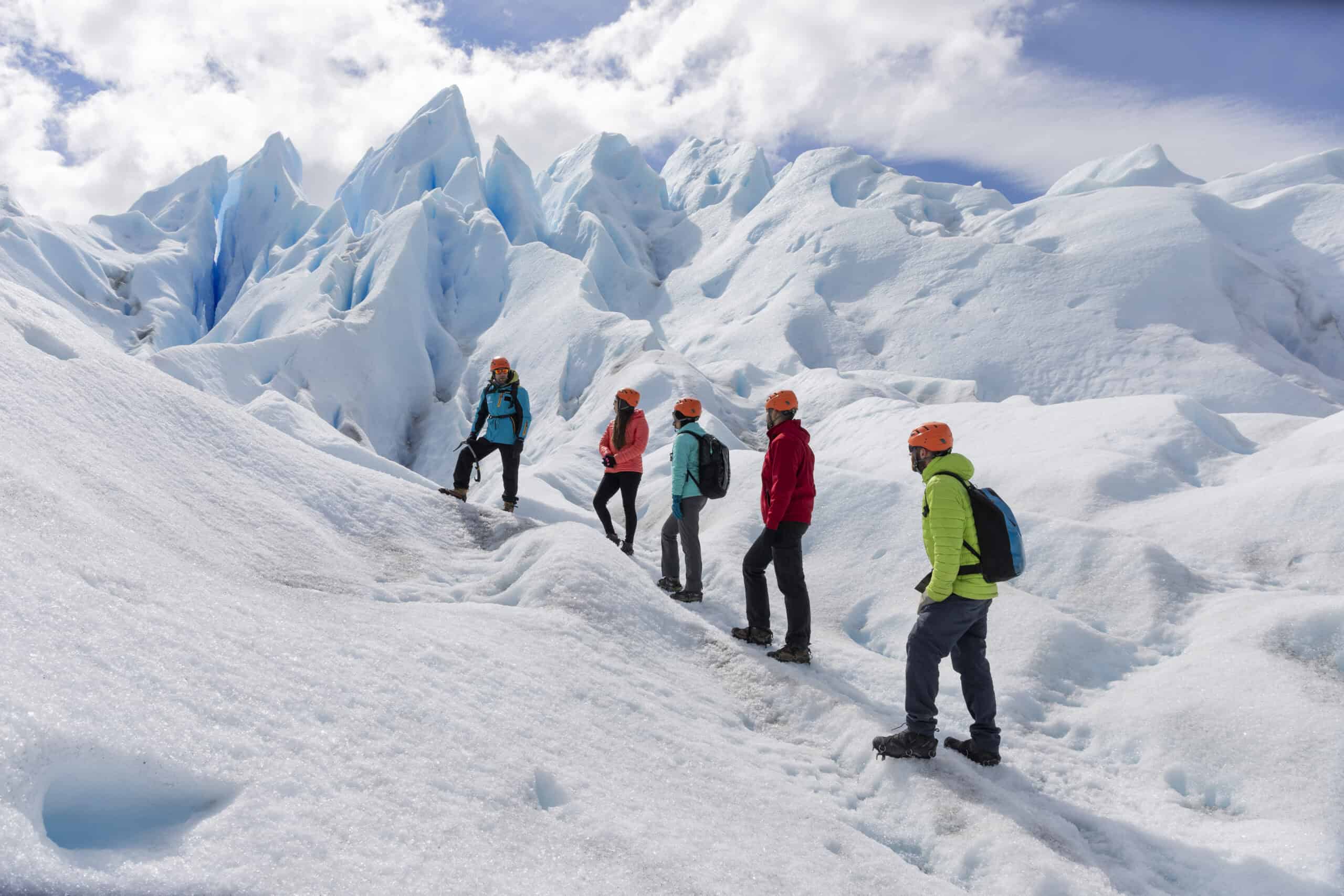
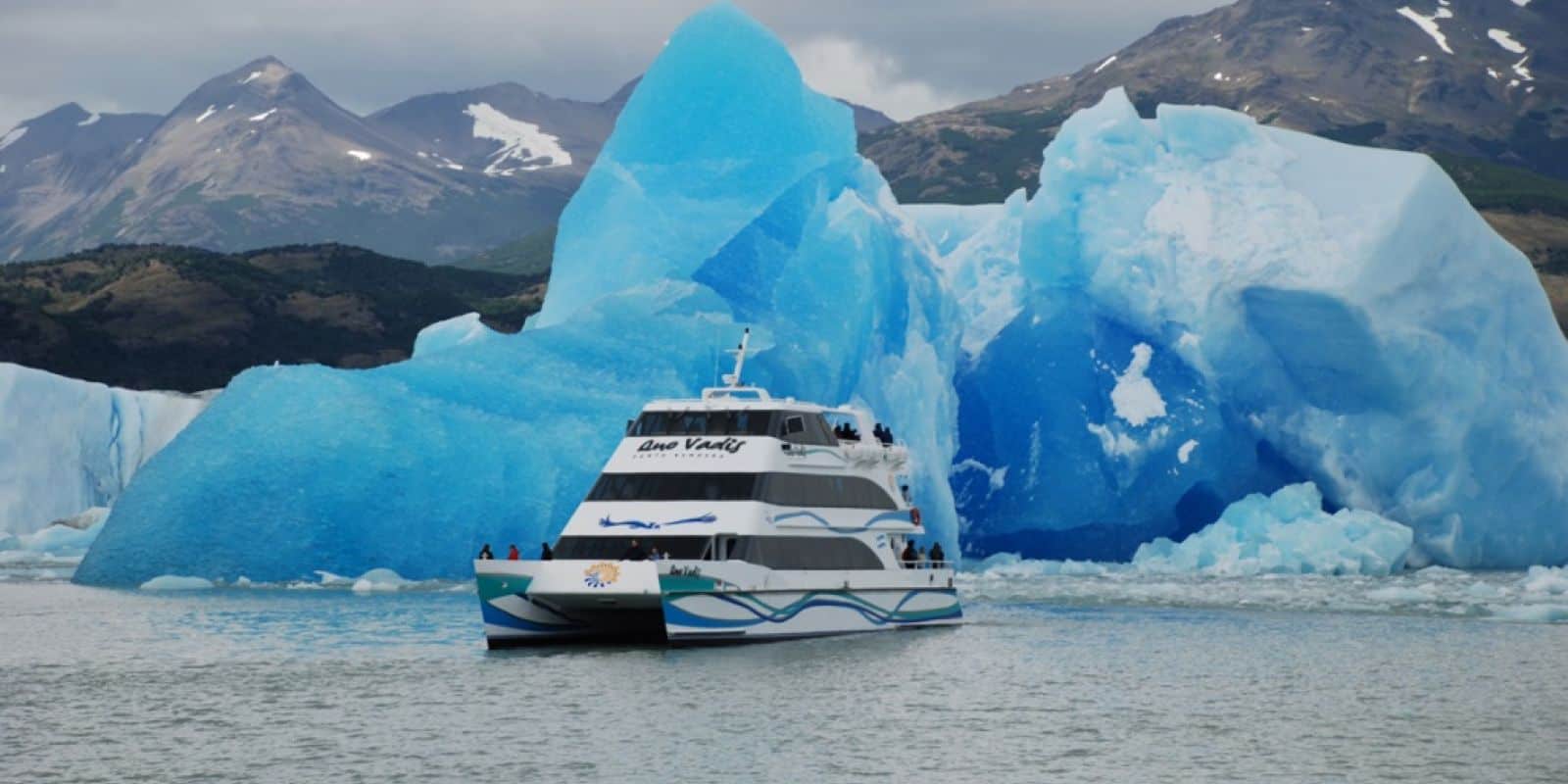
The main gateway to the park is El Calafate, which serves as the tourist base. From here you can walk the Perito Moreno boardwalks, do the Minitrekking on the ice, take the Todo Glaciares boat trip or go kayaking at the glacier, among other options.

Los Glaciares National Park was declared a UNESCO World Heritage Site in 1981. It spans 726,927 hectares and is one of Argentina's five natural UNESCO World Heritage Sites, alongside Iguazú National Park, Península Valdés, Ischigualasto-Talampaya and Los Alerces. In fact, Santa Cruz holds a second UNESCO site: the Cueva de las Manos.
El Chaltén and the Andean mountains
North of Los Glaciares National Park, El Chaltén is a completely different destination from El Calafate. Here the star is not the glacier but the mountain: Mount Fitz Roy (3,405 m / 11,171 ft) and Cerro Torre (3,102 m / 10,177 ft) dominate a skyline recognized all over the world.
El Chaltén was founded in 1985 and today offers more than 50 free hiking trails of varying difficulty. From 2-hour walks to multi-day backcountry treks, there is something for every kind of traveler.
Why El Calafate + El Chaltén is the perfect combination
Combining El Calafate and El Chaltén in the same trip gives you a much more complete experience of Andean Patagonia. While El Calafate offers glaciers and the lake, El Chaltén delivers mountains and forest. They are 215 km (134 miles) apart along Route 40, and the drive between them is one of the most beautiful stretches in all of Patagonia.
Rock art: the Cueva de las Manos
One of Santa Cruz's treasures still off the mass-tourism radar is the Cueva de las Manos (Cave of the Hands), located near the town of Perito Moreno. Declared a UNESCO World Heritage Site in 1999, it preserves cave paintings more than 9,000 years old, created by the first inhabitants of Patagonia.
The negative hand paintings — made by blowing pigment around a hand pressed against the rock wall — are the site's most famous images. There are also depictions of guanacos, geometric figures and abstract shapes that make up one of the most complete records of early art in South America.

Atlantic coast: marine wildlife
The Atlantic coast of Santa Cruz is one of the richest in the world for marine wildlife. From Puerto Deseado to Caleta Olivia, passing through Puerto San Julián, the coastline offers sightings of Magellanic penguins, sea lions, dolphins, orcas (in season) and a variety of seabirds that amazes every visitor.
The Cabo Vírgenes Provincial Reserve, at the southern tip, is home to one of the largest penguin colonies in mainland Argentina, with more than 120,000 pairs nesting between September and January.
The cuisine of Santa Cruz
Santa Cruz's cuisine is built on exceptional ingredients. Patagonian lamb — slow-cooked over an open-fire cross spit or in a clay oven — is the region's signature dish and a dining experience you won't find anywhere else in the world. Patagonian lamb is more delicate than lamb from other regions thanks to the animals' free-range grazing.
🍽️ Not to be missed: wild berries — blackberries, calafate berries, chauras — give life to the region's most characteristic jams and liqueurs. Calafate liqueur even comes with a legend: whoever tastes it always returns to Patagonia.
When to visit Santa Cruz
Santa Cruz welcomes travelers year-round, but each season offers a different experience:
- November to March (high season): long days, great weather for hiking and glaciers, the widest range of excursions. It's the most in-demand time of year; booking in advance is essential.
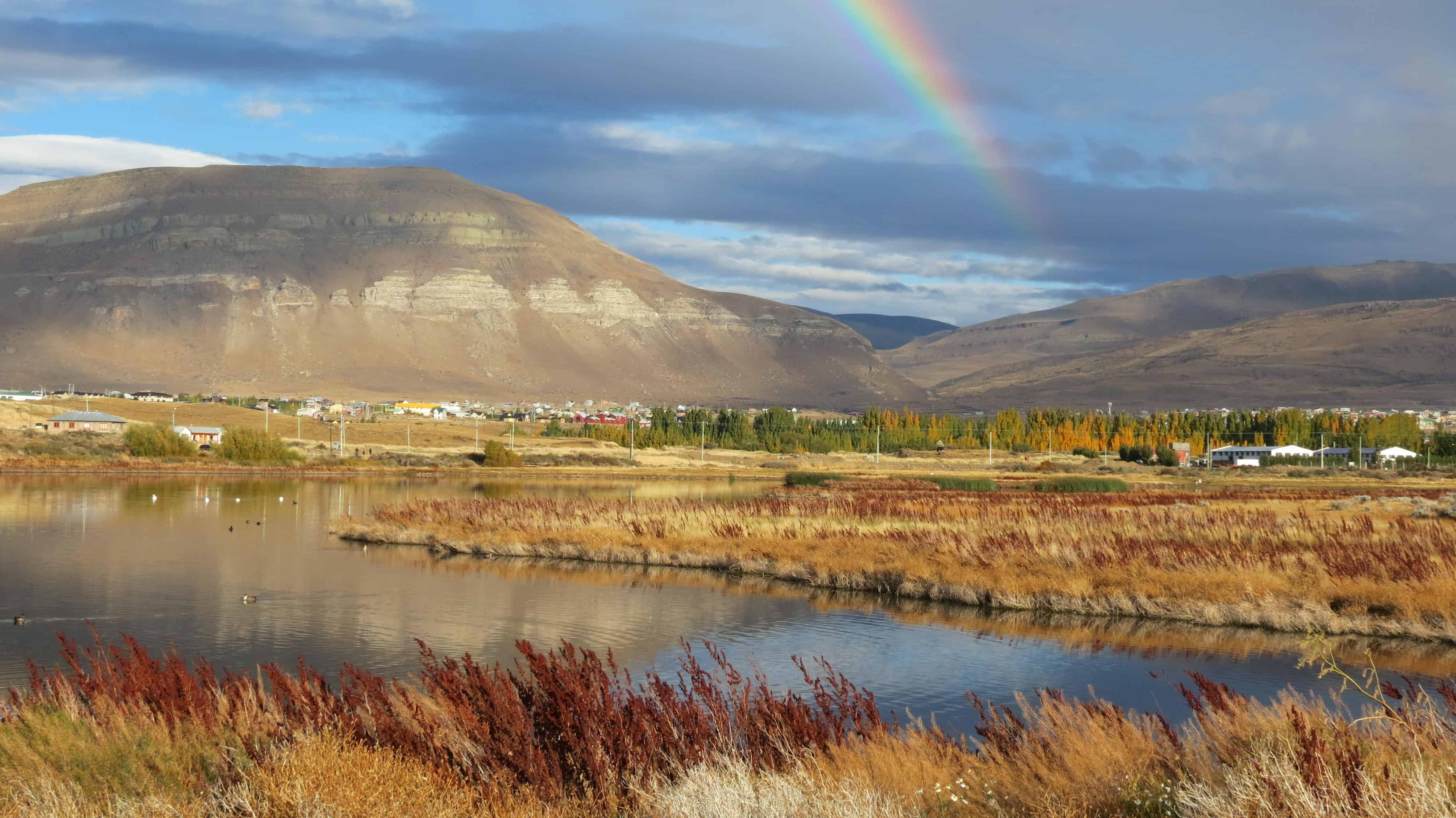
- April and May (fall): autumn colors across the steppe and the sub-Antarctic forest. Fewer tourists, more affordable prices, excellent conditions for photography.
- June to August (winter): snow, silence and one-of-a-kind landscapes. Some excursions run less frequently. Ideal for those seeking Patagonia at its most intimate and wild.
- September and October (spring): wildflowers, active wildlife and the first excursions of the season. Unpredictable weather, but full of surprises.